
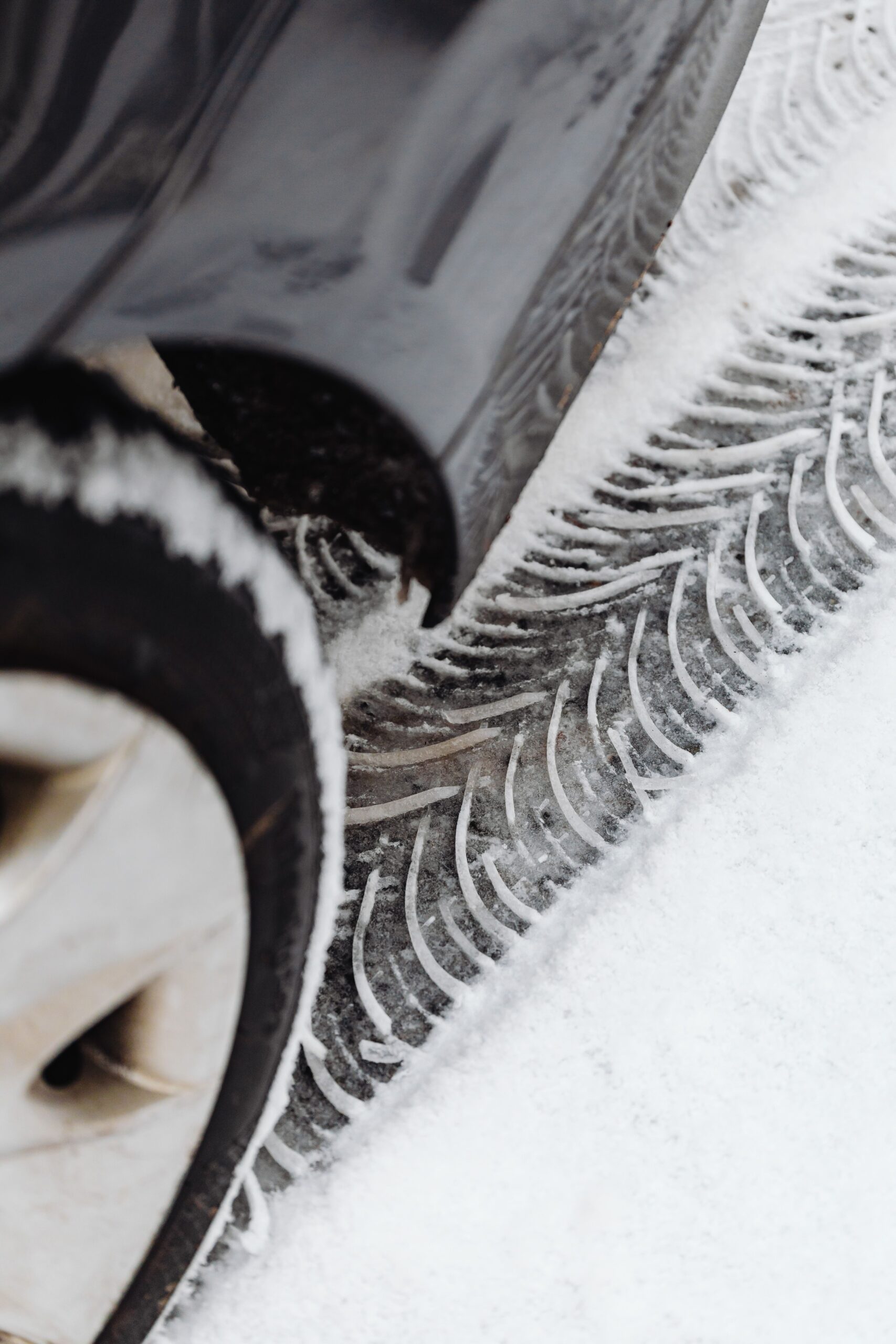
RV tire blowouts become notably more common on summer highways. When the air temperature reaches about 90°F, black asphalt can heat up to 130°F to 160°F, transferring that heat directly to the tires. That is why crashes caused by a slow, unnoticed loss of tire pressure followed by a sudden blowout on a midsummer highway recur year after year.
Why Do Tires Blow Out in Summer?
As the air inside a tire heats up, its pressure rises as well. After hours of driving on hot pavement, heat continues to build inside the tire. If the tire is already aged or underinflated, its rubber structure may not withstand that heat and can fail. Many blowouts are not truly sudden: pressure gradually drops over days or weeks, then the tire exceeds its limit in extreme summer heat.
Checking Cold Tire Pressure Is Essential
Tire pressure should be measured before sunrise, while the tires are cool, for the most accurate reading. Checking during daytime driving can miss the real issue because heat has already raised the pressure. On the first day of a summer trip, it is wise to check again after about an hour of driving. A tire whose pressure rises quickly may already be weakened. Use a pressure gauge by hand at least once a month and always before a long trip.
TPMS Is Backup, Not a Complete Solution
A tire pressure monitoring system (TPMS) provides real-time alerts when a tire loses pressure or reaches an excessively high temperature. Setting the high-temperature warning near 158°F can provide time to pull over before the tire reaches the truly hazardous range of 200°F. But a TPMS only alerts drivers to a problem already developing; it cannot replace regularly checking pressure by hand. It is also safer to visually inspect the tires at every fuel or rest-area stop.
Check Tire Age With the DOT Code
A DOT code is stamped on the tire sidewall, and its final four digits identify the manufacturing date. The first two digits indicate the week and the last two indicate the year; for example, “3522” means the tire was made in the 35th week of 2022. The code is often stamped on the inner sidewall, where it may only be visible by getting beneath the vehicle or lifting it with a jack. Even if the tread appears sound, replacement should be considered once a tire is more than 5 years old. The general safety guideline is to replace tires between 6 and 10 years old regardless of tread condition. Ultraviolet light, ozone, and repeated temperature changes can cause rubber to crack from the inside, so a tire that looks fine externally may already have a weakened inner sidewall.
What to Do When a Tire Blows Out
A blowout at 60 to 70 mph can make a trailer or an entire RV sway. Slamming on the brakes or sharply turning the wheel can increase the risk of a rollover. Gradually lift off the accelerator, keep both hands firmly on the steering wheel, maintain a straight path while slowing down, and gradually move onto the shoulder when it is safe. Turning on the hazard lights and placing warning triangles or markers behind the vehicle can alert other drivers to the danger.
One Final Check Before Leaving
Before a long trip, check tire pressure, DOT age, and tread condition together. Also make sure the spare tire, jack, and lug wrench are in working order. On a summer highway, a single tire can determine the course of an entire trip. Making a habit of keeping a pressure gauge handy is one of the least expensive ways to reduce that risk.
Photo: Karola G, Pexels — pexels.com