
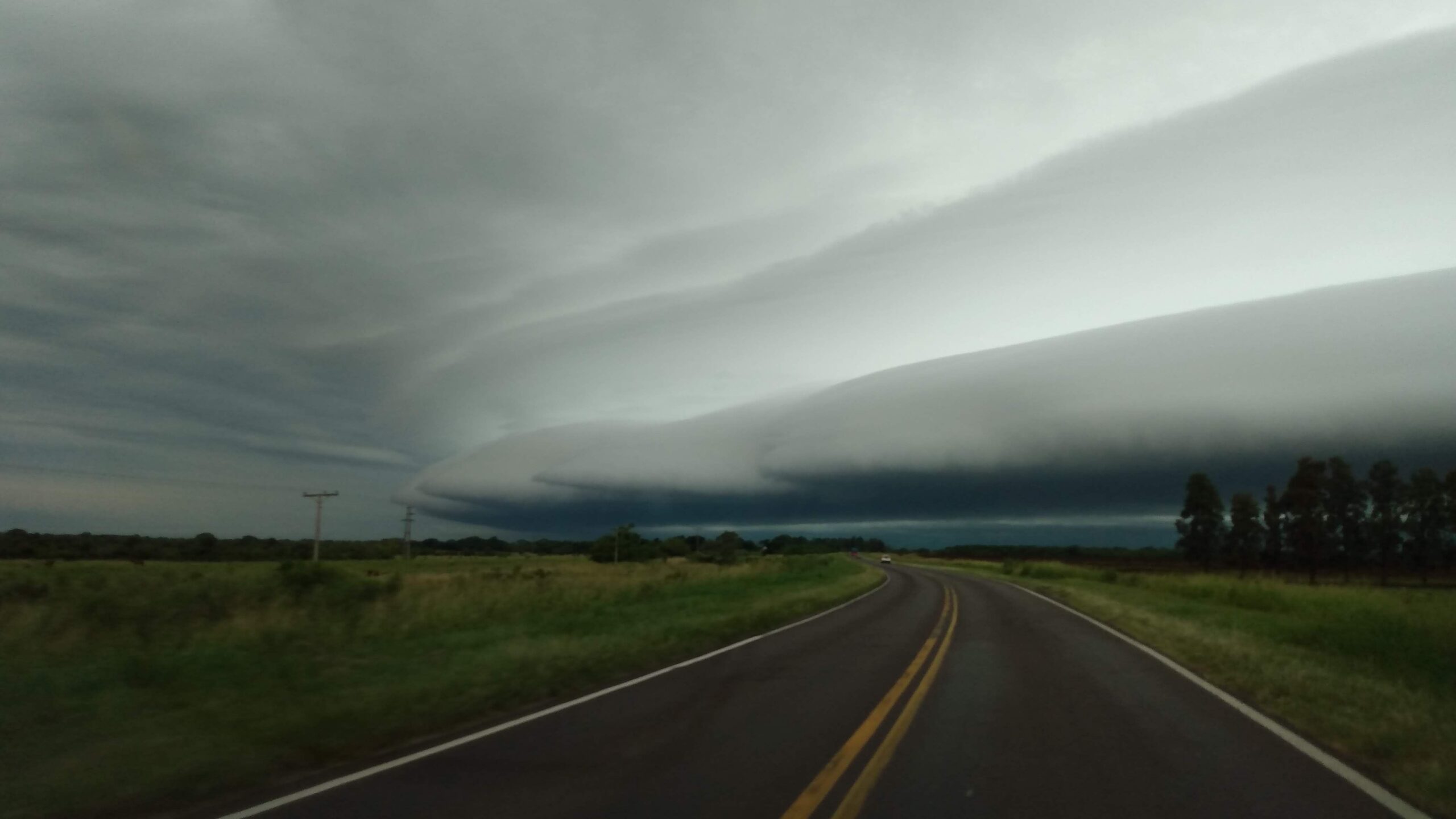
The Atlantic hurricane season was approaching its peak. The outlook for the 2026 season had been revised downward from the original forecast, with 8 to 14 named storms expected. By the numbers, it might have sounded quieter than recent seasons, but those figures offered little comfort to anyone with an RV parked at a coastal campground. Whether a campsite lay in the path of a single storm mattered far more than the seasonal projection.
Why a Lower Seasonal Outlook Is No Reason to Let Your Guard Down
Meteorologists said they lowered this year’s outlook because of the early arrival of El Niño and the possibility that it could strengthen. Preparation may be easier if June and July, the early part of the season, are treated as time to make plans and organize records; August as time to inspect emergency gear; and September onward as time to monitor weather conditions every day. But a lower outlook means fewer storms, not necessarily weaker storms at landfall. Even one powerful storm passing along the coast in a season can damage campgrounds and RV parks in its path. A numerical outlook is only a reference, not a substitute for an individual traveler’s preparedness plan.
The 48- to 72-Hour Rule Forecasters Recommend
The advice most often given to RV travelers staying along the coast is to leave 48 to 72 hours before a forecast landfall. In other words, do not wait for local authorities to issue a mandatory evacuation order; move as soon as it becomes clear that conditions are trending toward evacuation. Mandatory orders are often issued after roads have already begun to clog, and waiting until then can leave a large RV stuck in traffic far longer than expected.
Always Plan Two Evacuation Routes
Relying on one primary evacuation route can lead to trouble. As a storm approaches, coastal highways are often converted to one-way traffic heading inland, and a familiar route can suddenly be closed in the process. Mapping a backup route along with the primary one is essential, and carrying a paper map is safer than relying solely on a phone map app. During a large-scale evacuation, communications networks can fail, leaving travelers without navigation that depends on a data signal.
Low-Lying Campgrounds Are Places to Avoid
When choosing a campground, make a habit of prioritizing sites with a lower flood risk. Campgrounds at river mouths or in low-lying areas may be appealing in calm weather, but during the season they can be among the first places to flood. It can help to identify several RV parks farther inland and outside flood zones in advance, so you can call and secure a site when needed. During peak season, inland campgrounds can also fill quickly as evacuees arrive, so it is better to contact them as soon as warning signs begin to appear.
A Tall Vehicle Is More Vulnerable in High Winds
Compared with a passenger car, an RV has a taller profile and broader sides, making it far more vulnerable to strong crosswinds. Even before a storm makes landfall, when winds are only at gale force, sudden gusts on bridges or exposed stretches of road can push the vehicle around. Once you decide to evacuate, it is safer to complete the drive before winds intensify, while road conditions and visibility are still manageable. If you are towing a trailer or fifth wheel, slow down from your normal speed and leave plenty of following distance.
Three Things to Check Every Day
When camping along the coast, make it a habit to check weather conditions every morning and evening. Confirming evacuation routes on the first day you arrive at the campground is another step not to overlook. And when conditions begin to worsen, prepare to leave early rather than delaying your scheduled plans. It may be tempting to use every day of a reservation, but when a storm is approaching, leaving a day early is far better than regretting a few unused days.
What to Take Care of Before Leaving
Once you decide to evacuate, fill the fuel tank first. As evacuees begin to gather, lines at gas stations grow long, and some stations may run out of fuel altogether. Keep important documents, medications, a minimum supply of drinking water, and emergency food together somewhere easy to access. Before departure, make one final check that the propane tank valve is closed and that slide-outs and awnings are fully retracted. The key is to finish all of this before the storm arrives, while the roads are still open.
Make a Communication Plan With Your Travel Companions
It is also important to decide in advance where to meet and how to communicate with the people traveling with you in case service is interrupted during an evacuation. If you must travel in separate vehicles, choose a particular inland town or rest area as a meeting point and agree to check each other’s locations as soon as communications are restored. Letting the campground office know that you have left and roughly where you are headed can also help people who remain behind or companions arriving later understand the situation.
Why You Should Not Rush Back After the Storm
Even after hearing that the storm has passed, it is not advisable to return to your original site right away. Fallen trees and downed power lines may still be blocking roads, and the campground entrance itself may be flooded or damaged. It is safer to travel back only after the campground or local broadcasts confirm that roads and facilities are safe. Taking photos of the RV interior and your belongings before leaving can also help with the insurance process if damage occurs.
Photo: Guillermo, Pexels — pexels.com