
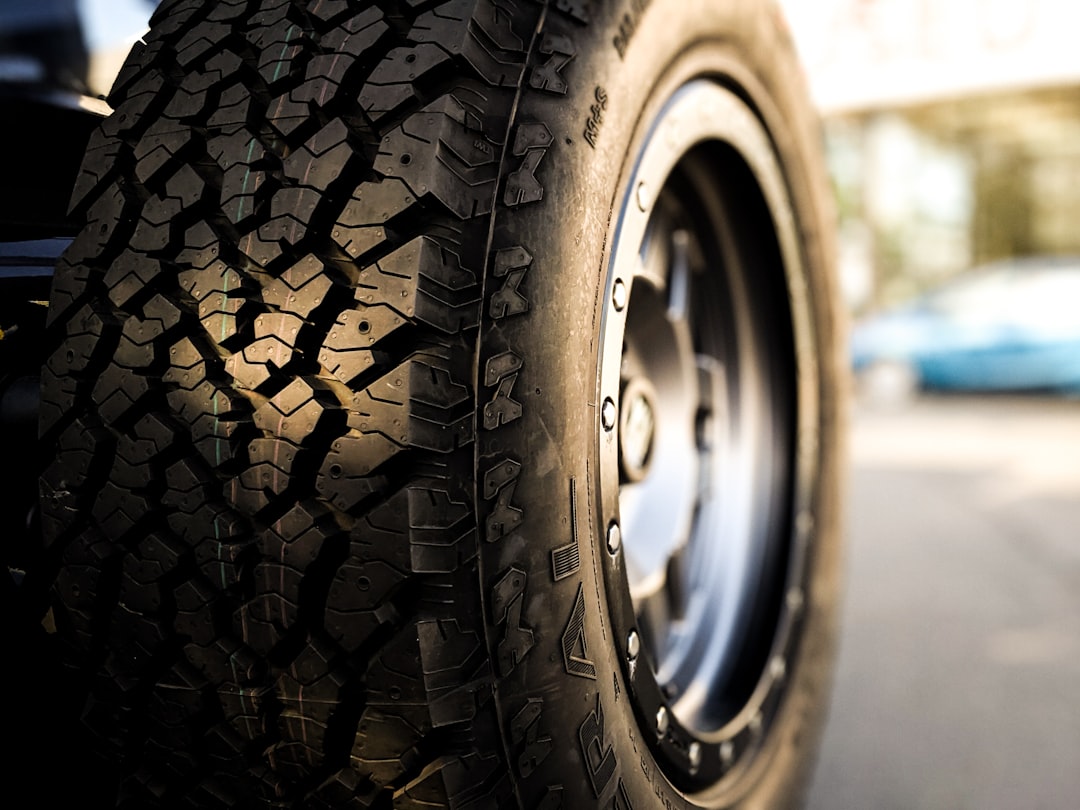
RV tire pressure should be checked cold, after the vehicle has been parked for at least three hours—not after driving, when the tires are hot. The National Highway Traffic Safety Administration recommends checking all tires, including the spare, with an accurate gauge at least once a month. Waiting for the tire-pressure warning light on the instrument panel does not replace regular inspections.
The door-jamb label and tire sidewall are not the same
The PSI to use is the cold inflation pressure specified by the vehicle manufacturer, not the maximum number printed on the tire sidewall. For motorhomes and tow vehicles, consult the tire-and-loading information label or owner’s manual. For travel trailers and fifth wheels, use that vehicle’s certification label and manufacturer documentation.
The tire sidewall figure identifies information for the tire itself; it does not necessarily reflect the vehicle’s actual load distribution or recommended inflation pressure. If replacement tire specifications or loading conditions have changed, consult an RV or tire professional about the appropriate pressure.
A TPMS warning light may not come on until one or more tires are already substantially underinflated. Because low pressure can be difficult to identify by sight, gauge checks should not be skipped even when the warning light is off.
Four checks to make before departure
First, measure the PSI of every tire and the spare while they are cold. Second, inspect for damage such as nails, cracks, or bulges. Third, replace tires when the tread has worn to 2/32 inch or is level with the wear bars. Fourth, make sure the valves and caps are not damaged.
Tire age cannot be determined by tread depth alone. The final four digits of the DOT tire identification number on the sidewall indicate the week and year of manufacture. Some vehicle and tire manufacturers recommend replacement between 6 and 10 years regardless of wear, so check the applicable manufacturer guidance.
Letting air out of tires whose pressure has risen during driving to match the recommended cold PSI can leave them underinflated once they cool. If you find abnormal pressure or recurring air loss, postpone long-distance travel until the cause has been identified.
Source checked: National Highway Traffic Safety Administration TireWise
Photo: Obi / artist page / Original photo file (Unsplash License)