
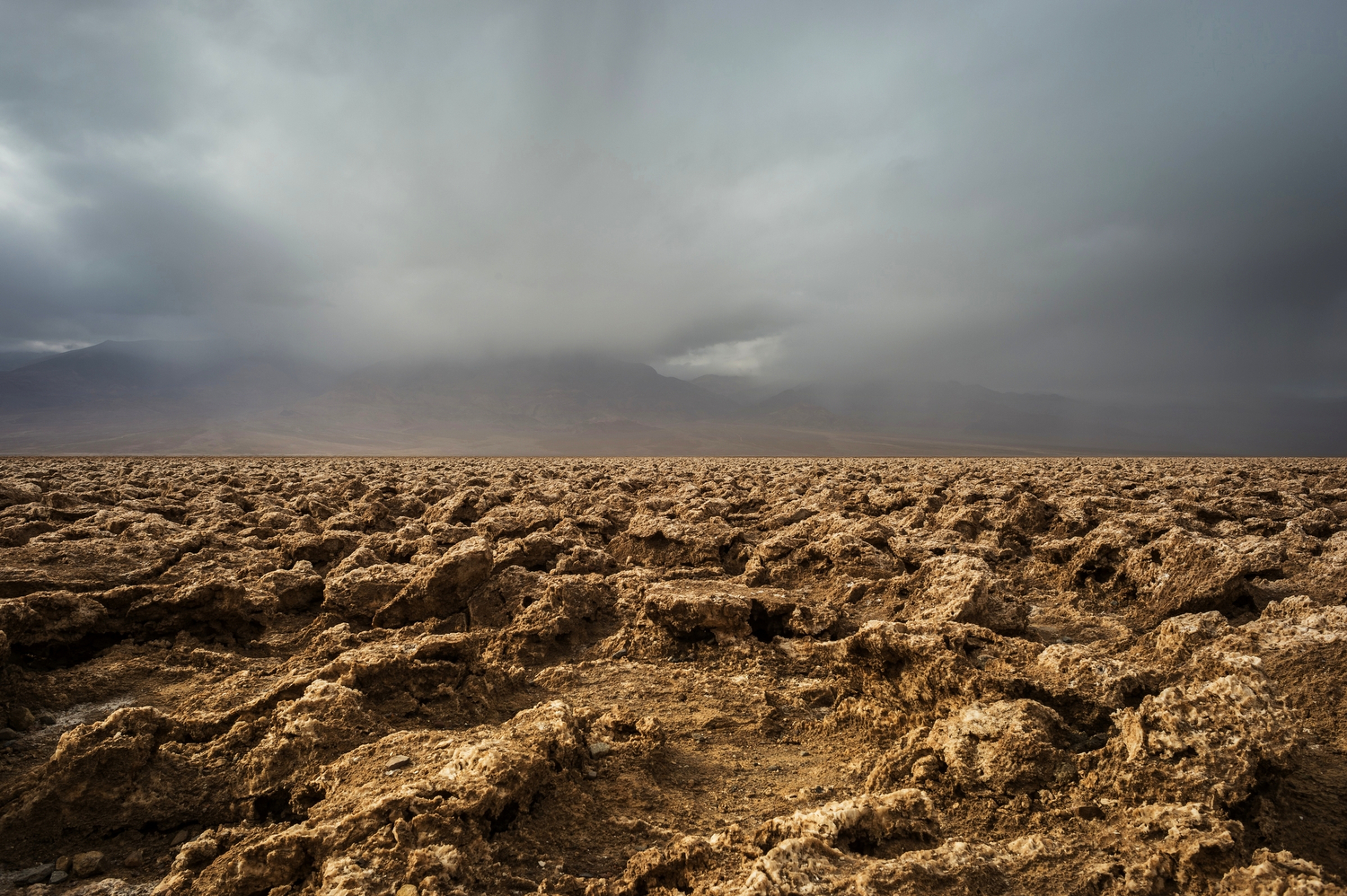
Late-season extreme heat has returned to the Southwest desert. The National Weather Service in Las Vegas forecast highs of 112–116°F for Death Valley and the Colorado River Valley, and 105–110°F for the Las Vegas, Moapa, and Pahrump valleys, issuing an Extreme Heat Warning from 10 a.m. Tuesday through 8 p.m. Thursday. In Southern California, the National Weather Service in San Diego issued an Extreme Heat Warning for the Inland Empire through 8 p.m. Wednesday, along with a separate warning for the Coachella Valley, San Diego County deserts, and San Gorgonio Pass near Banning from 10 a.m. Wednesday through 8 p.m. Friday.
Areas Affected
The Las Vegas weather office’s warning area includes Lake Havasu and Fort Mohave, as well as the Arizona shorelines of Lake Mead and Lake Mohave. RV parks and boat-in campgrounds along the Colorado River are within the affected area. As it has throughout the summer, Death Valley is expected to reach conditions where simply stepping out of a vehicle during the day can be dangerous.
California is divided into two forecast areas. Valleys in San Bernardino and Riverside counties were forecast to see highs from the upper 90s to 108°F and lows in the 70s; from Wednesday night through Thursday night, conditions were expected to step down to a Heat Advisory, with highs from the mid-90s to 102°F. The Coachella Valley and San Diego County deserts were forecast to reach 106–110°F, with overnight lows remaining in the 80s and offering little relief. Joshua Tree National Park’s south entrance and Anza-Borrego Desert State Park are within this area. The weather service emphasized the “Major HeatRisk” category, noting that high overnight temperatures leave little opportunity to recover from the heat.
What RV Travelers Need to Know
Anyone planning to park an RV at a desert campground that week should first confirm that the site has electrical hookups. With 30-amp service, running one rooftop air conditioner all day leaves little capacity for other appliances; relying on a generator for air conditioning at a desert campground without hookups is not realistic because of fuel needs and generator-noise restrictions. Daytime temperatures inside a vehicle can become life-threatening within minutes, so children and pets should never be left inside.
Move hikes to dawn or evening, and carry at least 1 gallon of water per person per day. In places such as Death Valley, where cell service may be unavailable, a flat tire can mean hours on a shadeless roadside. Set tire pressure in the morning before departure, and after extended driving on hot asphalt, make a practice of checking trailer hubs and tire temperatures, even by hand. The warnings were set to end Thursday or Friday evening, but there was not yet a definitive forecast for how much temperatures would fall over the weekend. It is better to plan on the desert fall season beginning a few weeks later.