
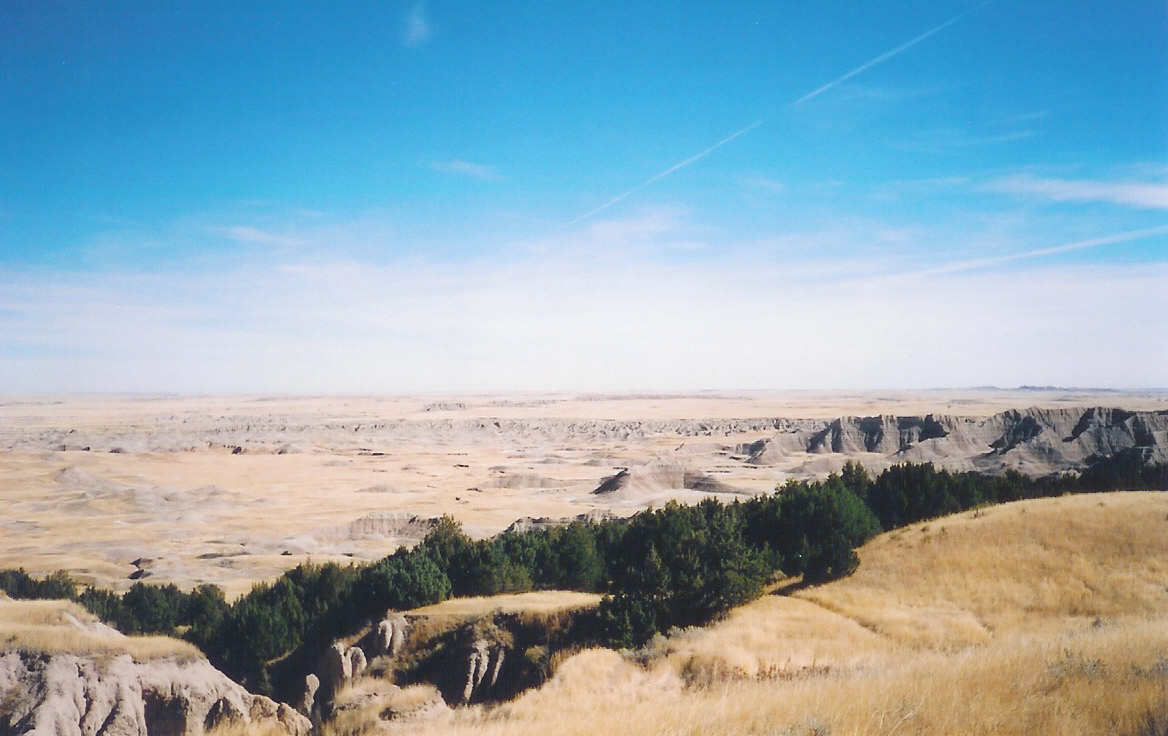
Anyone traveling through the southern Black Hills and Badlands of South Dakota should set aside campfire plans and adjust their afternoon itinerary to avoid creating sparks on September 11. A Red Flag Warning issued by NWS Rapid City at 6:05 a.m. Mountain Daylight Time (MDT) that day was in effect from 11 a.m. to 7 p.m. Northwest winds of 15 to 25 mph, with gusts up to 40 mph, were expected, while relative humidity was forecast to fall as low as 16%.
The warning did not mean a major wildfire was already burning. Rather, it signaled weather conditions in which a fire that starts could spread rapidly. NWS warned of rapid growth in newly started fires and advised against outdoor burning. RV travelers should not assume that clear skies mean they can use fire as usual.
Areas Affected
The NWS Rapid City warning covered the southern Black Hills, the Fall River County area, the Custer County Plains, the Pine Ridge area, the Badlands area, and the Bennett County area. In Wyoming, it included the Weston County Plains. The warning covered adjacent plains as well as forested mountain areas, so leaving the woods did not necessarily mean leaving the risk area.
An RV itinerary between the Black Hills and the Badlands should account for the warning along the entire day’s route, not just at one destination. This warning did not announce campground closures or road restrictions, nor did it determine whether fires were permitted at individual campgrounds. Check notices from the reserved campground and directions from on-site managers separately from the weather warning.
What RV Travelers Need to Know
NWS wildfire-weather guidance describes a Red Flag Warning as a stage when dangerous fire weather is occurring or imminent and action is needed. For that afternoon’s plans, it was practical to prepare meals and downtime that did not require a fire. The presence of a campfire ring should not be taken to mean it was available for use; any fire restrictions should be followed as written.
Campers in exposed sites also needed to account for the gust forecast. Before departure, awnings and lightweight outdoor gear should be secured according to manufacturer instructions, helping avoid having to spend extended time outside dealing with them after winds strengthen. A forecast of 40 mph gusts, however, should not be treated as a universal cutoff for whether any RV can travel. Vehicle-specific guidance and actual road conditions both needed to be considered.
7 p.m. was the scheduled expiration time for this warning. Its expiration did not automatically allow fire use everywhere. Before deciding on evening cooking or the next leg of travel, travelers should check updated NWS statements and operating notices from their lodging. The day’s priority was not finding a place to build a fire, but arranging a way to stay without creating sparks.
Source: NWS Rapid City Red Flag Warning / NWS wildfire warning guidance
Photo: Ken Lund / Original photo page (CC BY-SA 2.0)
