
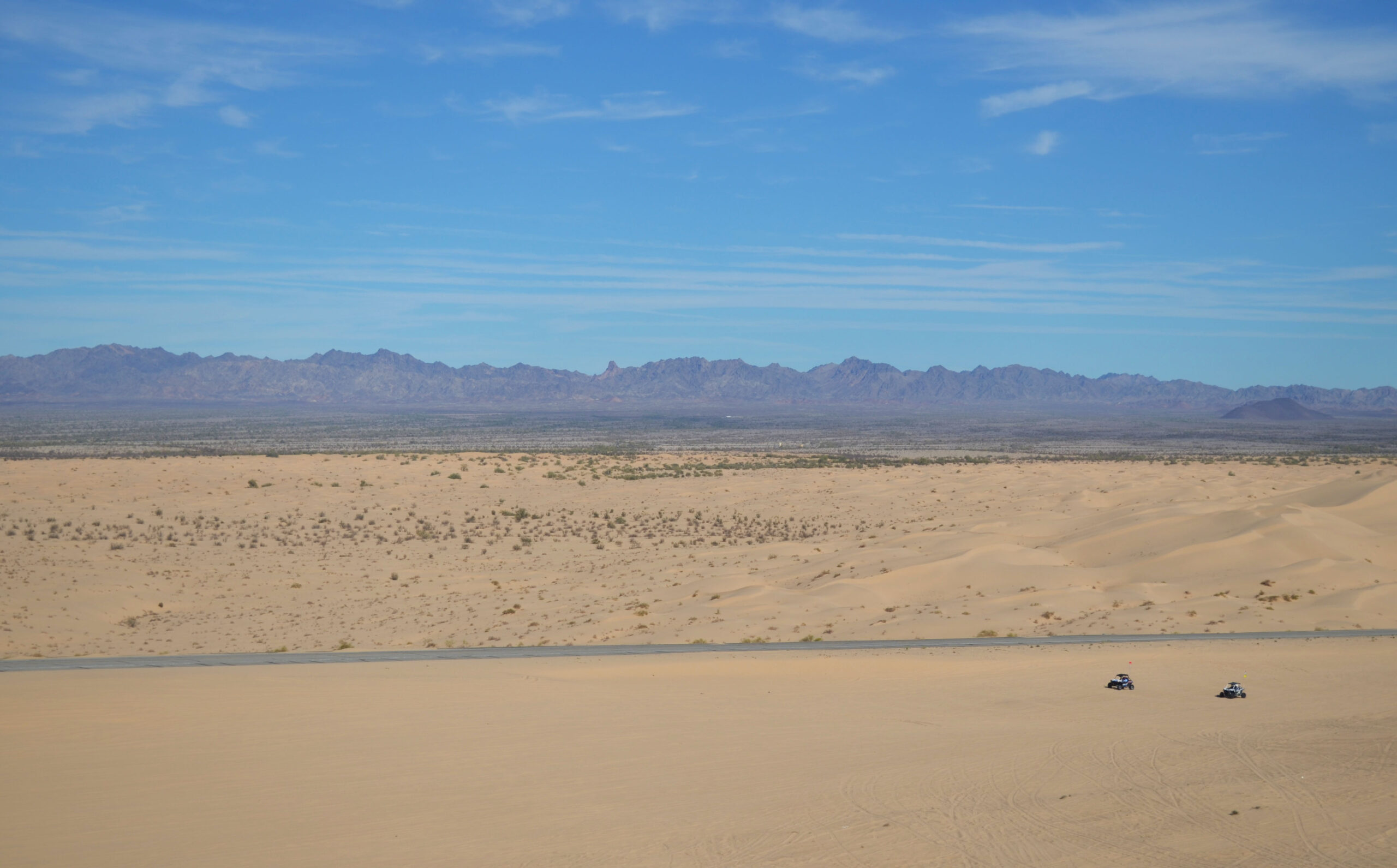
If you planned to park an RV in the Imperial Valley and spend the desert afternoon outdoors on September 11, finding an air-conditioned place to rest needed to come before the view. An Extreme Heat Warning issued by NWS Phoenix at 12:02 a.m. that day remained in effect through 8 p.m. Pacific Daylight Time (PDT) for the Imperial Valley and western and southwestern Imperial County. Afternoon temperatures were forecast at 106–111°F, and the alert emphasized hazardous conditions from the combination of high heat and humidity.
NWS classified the area’s heat threat at the high “Major Heat Risk” level. This went beyond ordinary discomfort from hot weather and called for reducing time outdoors and physical activity. These figures were an afternoon forecast for that day, not an indication that every location had already recorded 111°F.
Areas Affected
The Imperial County warning included El Centro, Calexico, Brawley, Ocotillo, and Salton City, among other locations. This was weather information relevant to travel and stops across the desert lowlands, rather than an issue limited to a single campground. The warning itself did not mean campgrounds had closed, so travelers needed to separately confirm the operating status of their reservation and the availability of electric hookups.
Crossing the state line did not mean the heat ended immediately. An NWS statement issued at the same time forecast afternoon temperatures of 105–107°F in Yuma and Fortuna Foothills and kept the warning in effect through 8 p.m. Mountain Standard Time (MST). Local time was the same in both areas that day, but travelers needed to check the expiration time and subsequent forecasts using the time zone shown for their destination.
What RV Travelers Need to Know
NWS advised moving strenuous outdoor activity to early morning or evening when possible and taking frequent breaks in shade or air-conditioned spaces. For an RV itinerary, that meant limiting midday setup and pack-up tasks and choosing a cool place to stay immediately after arrival. An expected 8 p.m. expiration for a weather warning did not by itself mean outdoor activity afterward would be comfortable or safe.
Having an electric hookup reservation was not the same as having a place where you could actually cool down. Check that the air conditioning works before departure, and identify an alternative air-conditioned location in case it does not. NWS heat guidance recommends spending time in air-conditioned spaces and notes that a vehicle with the windows cracked can still heat up quickly. Children should never be left alone in a vehicle.
Travelers also needed to drink water often and reduce outdoor exposure. However, anyone under medical instructions to limit fluid intake should not increase it independently and should follow guidance from their health care provider. NWS advises moving a person overcome by heat to a cool, shaded place and says heat stroke is an emergency that requires calling 911. For this desert trip, the key was not how long daylight could be used, but how reliably a place to escape the heat had been arranged.
Source: NWS Phoenix Extreme Heat Warning / NWS Heat Safety Tips
Photo: Joanna Gilkeson / USFWS / Original photo page (Public Domain ·CC BY 2.0, display size adjusted)
