
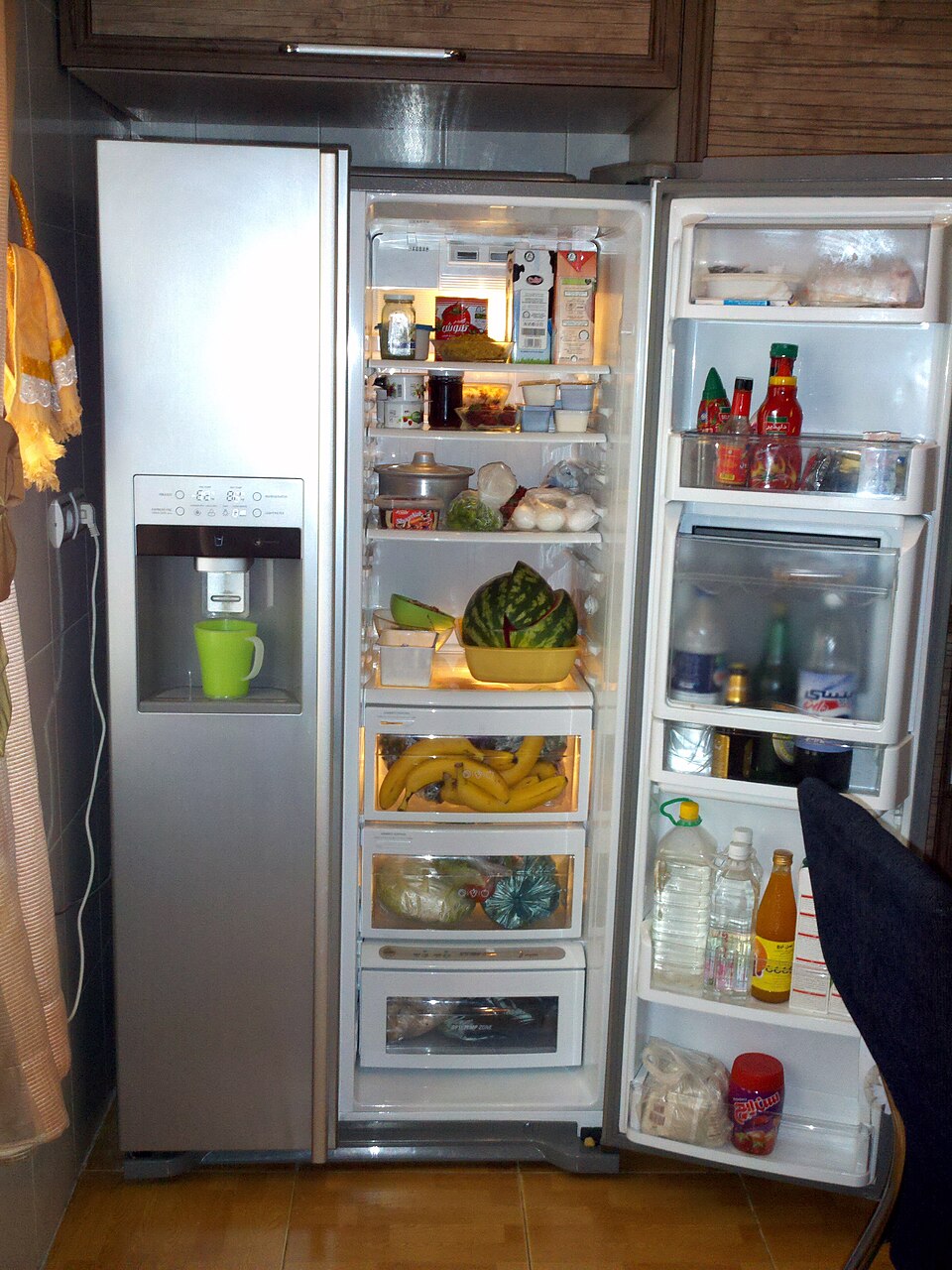
Feeling cold air in an RV refrigerator does not guarantee that food is being stored safely. When preparing to leave, the first thing to check is not the dial setting but the actual temperature inside. The FDA advises keeping the refrigerator at 40°F or below and the freezer at 0°F, with regular checks using a thermometer. Before deciding how much food to bring on a trip, make sure the refrigerator can maintain those temperatures.
In a refrigerator inspection article published July 30 and updated August 14, RV LIFE explained that a refrigerator running warm should not automatically be considered broken. Sun exposure, ventilation, loading many warm foods at once, and frequent door opening can all place added strain on cooling. Food-storage safety standards, however, should be considered separately from whether the unit can be repaired.
Check the actual temperature in an RV refrigerator first
Setting the temperature control colder is not the same as confirming that the food-storage temperature has dropped. Keeping a refrigerator thermometer inside and checking it before departure and after arrival, as the FDA recommends, can help inform that decision. Once the refrigerator has been confirmed sufficiently cold, transfer foods that have already been kept chilled.
Avoid packing the refrigerator so tightly that there is no open space. The FDA advises against overfilling it so air can circulate. Putting frequently used drinks in a separate cooler can reduce how often the door holding food needs to be opened. Limiting grocery purchases to the refrigerator’s capacity is also part of temperature management.
Camping meals when food cannot be kept cold
During travel or an inspection, a cooler filled with ice or frozen gel packs can be an alternative. The FDA advises keeping cold food in a cooler at 40°F or below and sealing raw meat and seafood so their juices cannot reach ready-to-eat foods. What matters is not simply having ice in the cooler, but whether the food is staying cold.
Perishable food set out on a picnic table should not remain at room temperature for more than 2 hours. If the outdoor temperature exceeds 90°F, that limit drops to 1 hour. The FDA advises discarding food that has exceeded those limits. Food should not be considered safe simply because it still smells or looks fine.
If refrigerator power is interrupted, keep the door closed and prepare ice and a cooler. The FDA recommends having a cooler available for refrigerated foods in case an outage lasts 4 hours or longer. That timeframe is not a grace period for leaving food that has already warmed up. Foods whose temperature and storage history cannot be confirmed should not be forced into use for meals during a trip.
Equipment checks should follow the manual for the specific model. In particular, guidance for another RV should not be applied unchanged to an RV with a different refrigerator type or power setup. If cooling does not recover after food has been moved to a safe location, the next step is professional service. The starting point for protecting meals on a trip is not a stronger cooling setting, but a verifiable temperature.
Sources: FDA food storage guidance / FDA guidance on transporting and storing food outdoors / FDA food safety during power outages / RV LIFE refrigerator inspection article
Photo: Milad Mosapoor / Original photo page (reuse permitted with attribution)
