
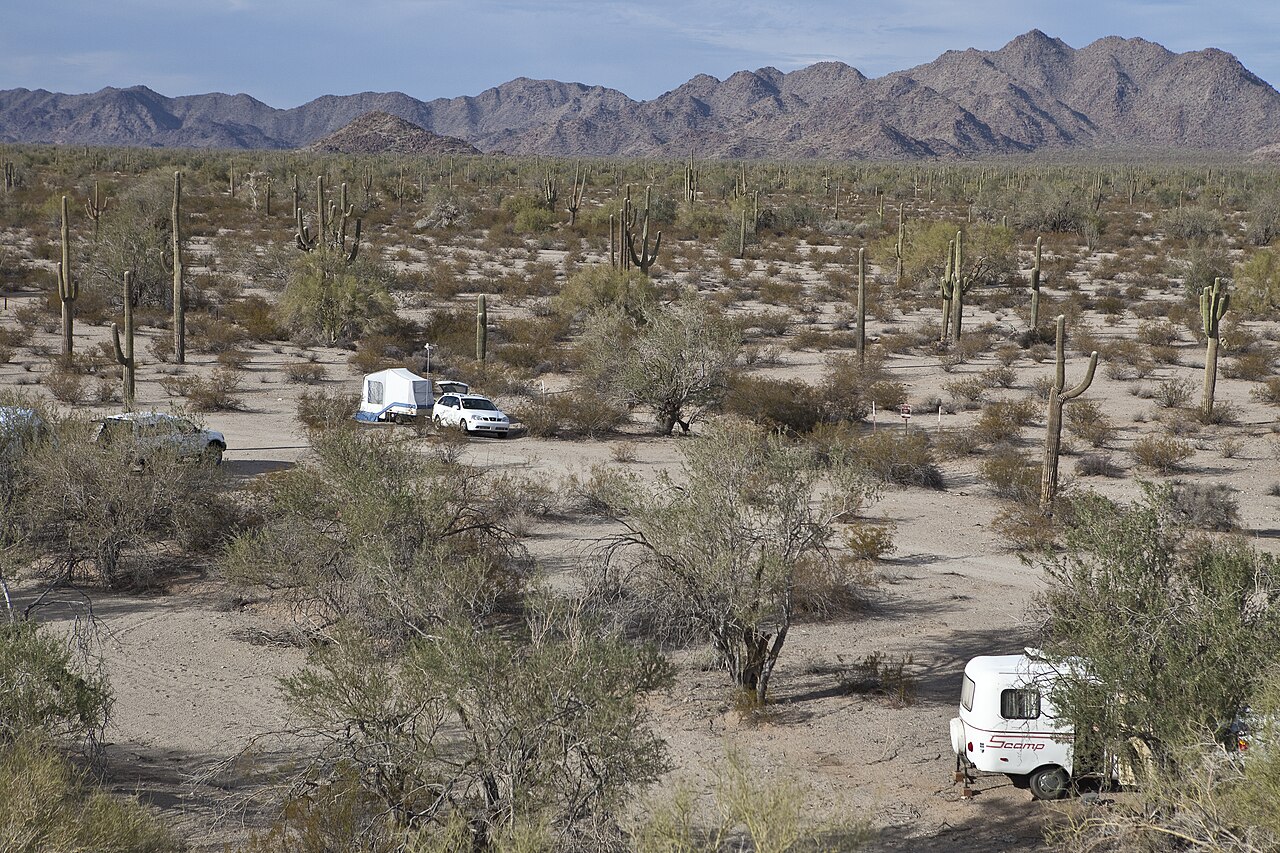
Even if you see broad public land and an open flat area, that does not necessarily mean you may park an RV and spend the night. BLM dispersed camping is an overnight option outside developed campgrounds, but travelers must also check land-specific restrictions, designated roads, and stay limits. BLM’s official camping guidance, reviewed September 12, explains that local rules take precedence over a single nationwide standard.
BLM distinguishes among developed campgrounds, dispersed camping, and long-term visitor areas used with a permit. Dispersed camping is allowed on many BLM lands, but exceptions apply where signs prohibit camping or separate restrictions protect land use or conservation. A location found through a travel app is only a possible site; the managing agency’s guidance must confirm whether overnight stays are actually allowed.
BLM Dispersed-Camping Stay Limits Follow Local Rules
Official guidance describes a general limit of 14 days within a 28-day period, though it may vary by state and field office. The distance travelers must move after reaching the limit also needs to be checked locally. Moving to an empty spot right next door should not be assumed to automatically restart the stay period. When planning arrival and departure dates, it is advisable to confirm the applicable area with the responsible office.
Check RV Access and Camp Preparation Separately
BLM directs vehicles to use designated roads and routes. Do not create new tire tracks simply because a broad clearing is visible. Choose previously used sites, protect vegetation and soil, and do not treat a passable road and a legal overnight site as the same thing.
Travelers expecting electrical hookups or water service should first consider the difference between dispersed camping and developed campgrounds. BLM recommends checking individual listings because amenity levels vary even among developed campgrounds. Prepare water, meals, and a way to pack out trash, and consider another lodging option if you cannot confirm the facilities you need.
Fire restrictions should be checked again just before departure. BLM explains that restrictions may change by season and that campfire permits may be required in some areas. Existing fire rings or the actions of other visitors should not be treated as evidence of permission. Plan cooking methods around the applicable local notices.
RV LIFE’s guide to free camping recommends using BLM’s official website alongside travel apps and reviews. Reviews can help travelers gauge a site’s atmosphere, while agency materials can confirm whether overnight stays are allowed and identify local conditions. The benefit of free camping is not skipping preparation. It is choosing an allowed location after making a plan that remains manageable through departure.
Source: BLM official camping guidance / BLM know-before-you-go information / RV LIFE guide to finding free camping
Photo: Bob Wick / BLM / Original photo: (public domain)
