
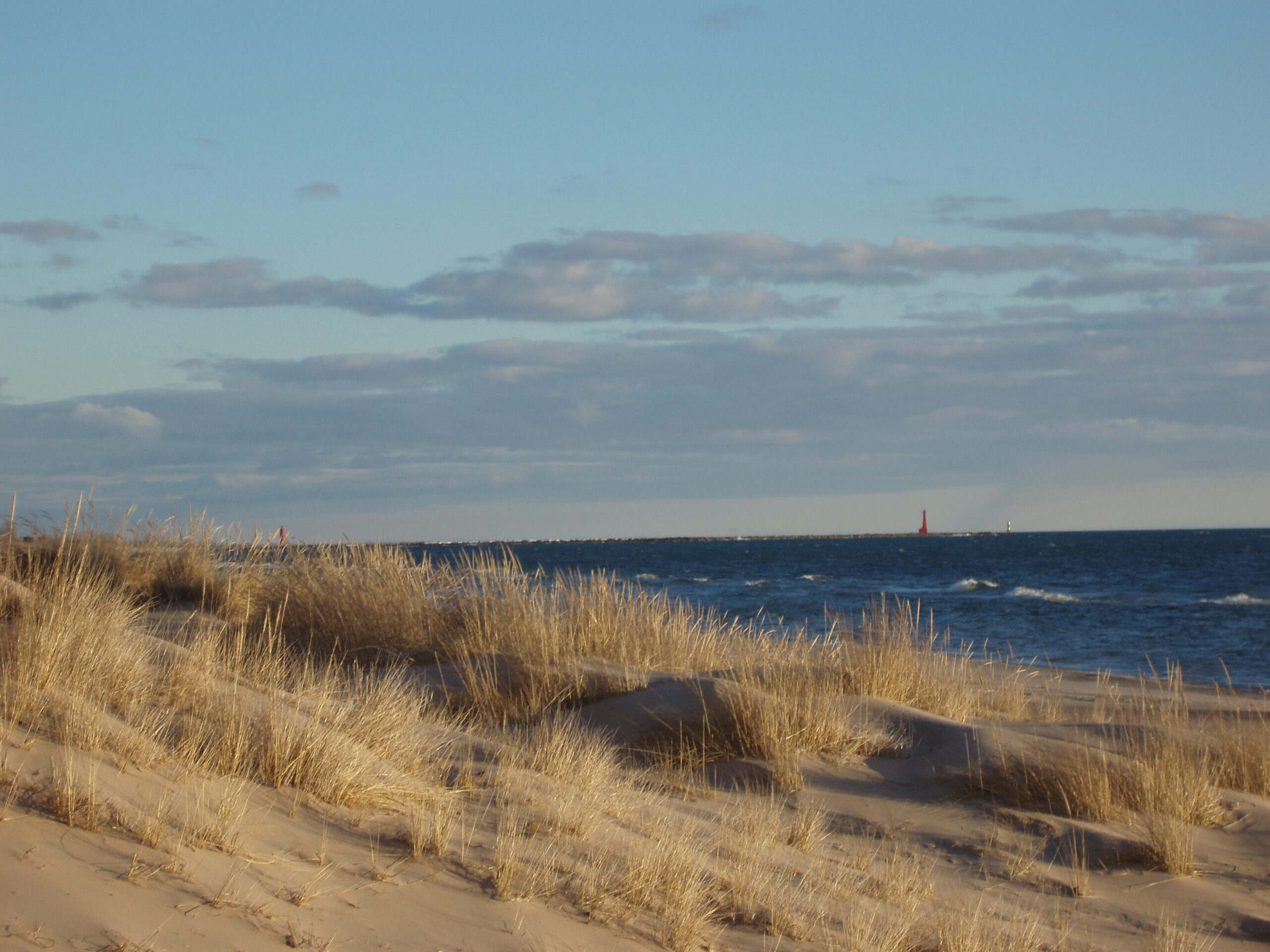
Anyone camping along eastern Lake Michigan in the fall should reconsider plans to visit beaches and piers. A Beach Hazards Statement issued by NWS Grand Rapids at 2:42 a.m. EDT on September 30 expanded from Mason, Oceana, and Muskegon counties to include Ottawa County. It remained in effect until 8 a.m. on October 1 and warned that high waves and strong currents could make not only swimming but also walking on piers hazardous.
Areas Affected
The lakeshore travel corridor, including Muskegon and Grand Haven, was covered by this statement. NWS warned that waves could wash over piers, sweeping people into the water or pulling those already in the water into deeper areas. The fact that this is a lake rather than the ocean should not be taken to mean it is safe to stand close to the water.
Muskegon State Park has 2 miles of Lake Michigan shoreline and 1 mile along Muskegon Lake, connecting two campgrounds, Snug Harbor, and forested dunes. According to the park’s official information, the Lake Michigan day-use area includes a buoy-marked swimming area. When checking this hazard statement, visitors should consider the specific shoreline and activity area they plan to use, not just the campground name.
A Beach Hazards Statement does not mean an entire campground is closed. NWS advises checking with local authorities about actual beach closures. Even if a lodging reservation remains in place, that should not be interpreted as permission for swimming or pier walks; follow on-site flags, signs, and staff instructions.
What RV Travelers Need to Know
NWS recommended staying out of the water and off piers while this statement was in effect. Trips to the end of wave-exposed structures for photography or fishing should also be avoided. The same risk applies to even a brief visit to the lakeshore, regardless of how much time is spent at the RV.
Michigan park authorities describe a red flag as a high-risk signal for high waves or strong currents and advise visitors to stay on the beach. Two red flags mean water access is closed. Flags can change during the day, so a condition checked in the morning should not be assumed to remain the same through the evening.
Visitors should also keep in mind that state park beaches do not have lifeguards. Families walking with children should manage access to the water’s edge and piers. If someone is in trouble, call for rescue and provide floating rescue equipment rather than entering the water yourself. On the morning of October 1, do not resume water activities based only on the statement’s expiration time; check the latest alerts and on-site conditions.
Source: NWS Beach Hazards Statement · Muskegon State Park · Michigan Parks Beach Safety
Photo: Darwin Smith Jr. / Original photo page (CC BY-SA 3.0)
