
The second step in getting started with RV travel is building a budget. Once you have chosen your vehicle, it is time to estimate how much you will spend each day. Breaking costs down into fuel, lodging, food, and admission fees makes the math easier than it may seem.
Start With Fuel Costs
Fuel is usually the largest expense. The calculation is simple: Divide your expected mileage by your vehicle’s average fuel economy in MPG to find the number of gallons needed, then multiply that figure by the price per gallon. For example, a 1,000-mile trip in a vehicle that averages 25 MPG would require about 40 gallons. As of August 2026, California’s average gas price was around $5.50 per gallon, putting fuel for that stretch at about $220. Prices in other states are often $1 to $2 per gallon lower than in California, so the actual cost may be less for a trip through several states.
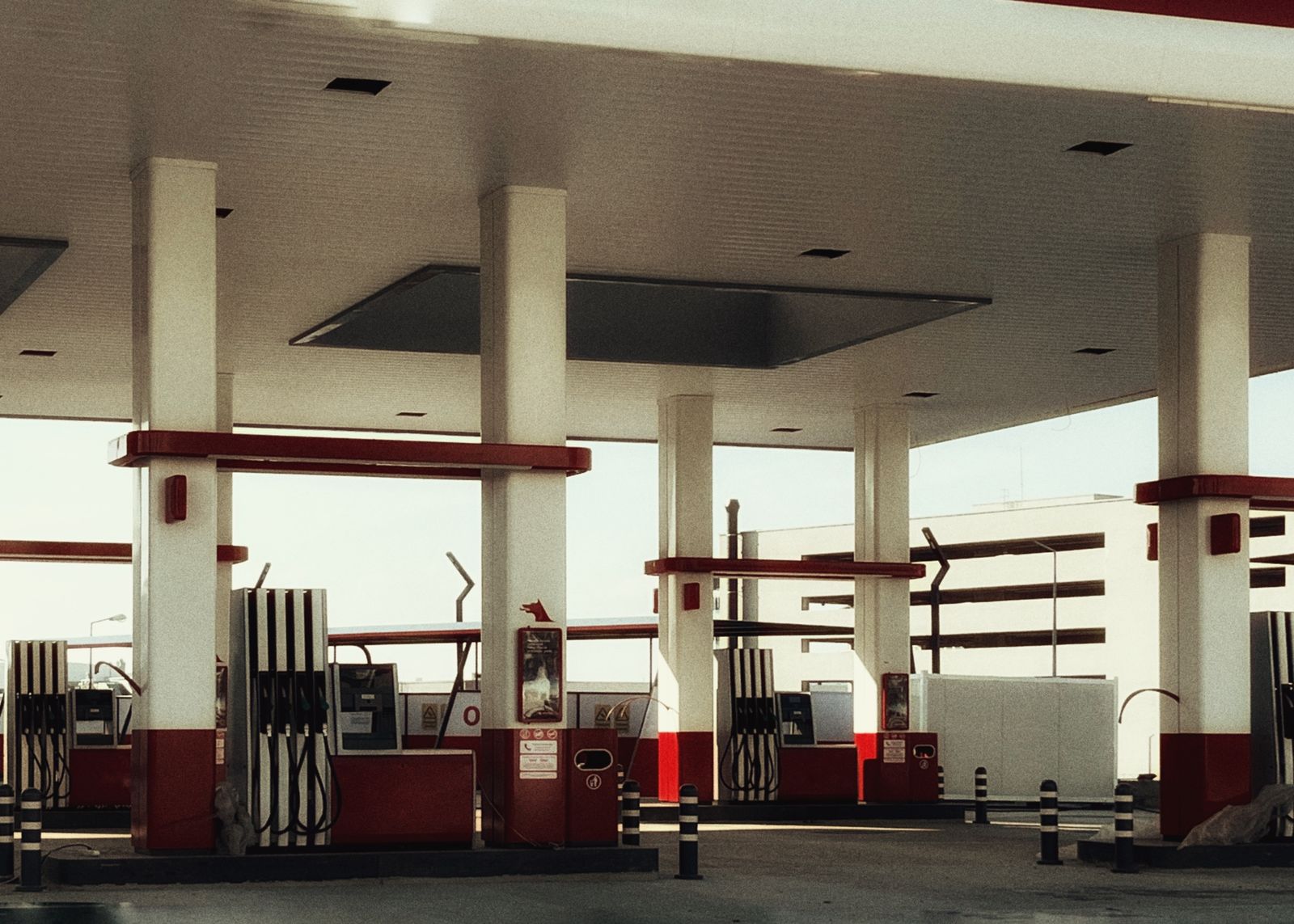
Lodging: Camping or Hotels
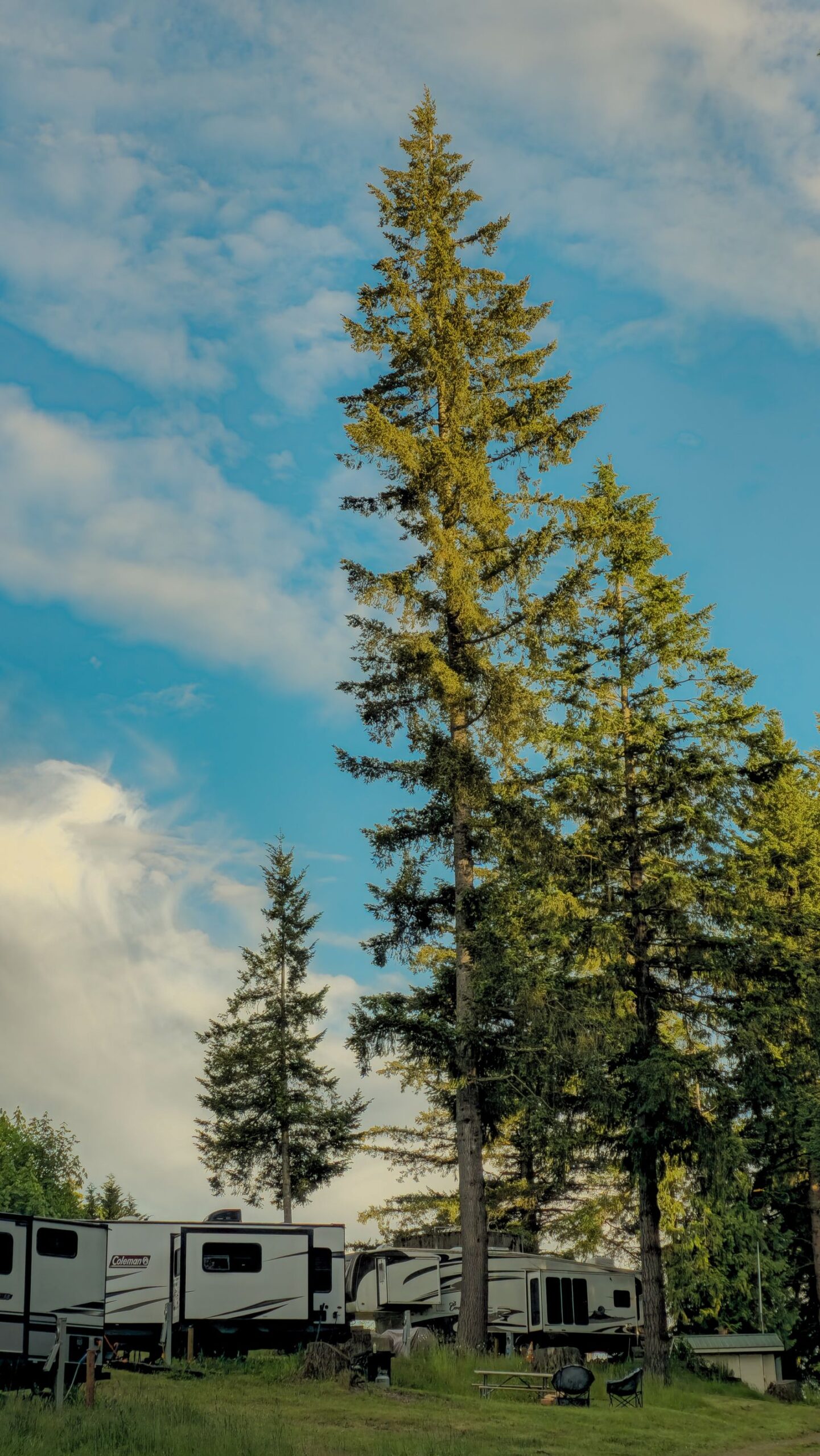
Lodging costs vary widely depending on where you stay. Campgrounds in national or state parks generally run about $15 to $26 per night, while sites with electric hookups cost $25 to $40. Well-equipped group sites or premium RV pads can reach $80. Private RV parks average $30 to $50, and full-hookup sites during peak season are safely budgeted at $40 to $60. For hotels or motels, roadside motels generally cost $50 to $90 a night, while properties in cities or near tourist destinations can easily exceed $100. Many travelers combine camping and hotels—for example, camping for three nights and booking a hotel for one night to shower and do laundry—which can lower the average daily lodging cost.
Food Costs Are Less Burdensome Than You Might Expect
One advantage of RV travel is the ability to cook for yourself. If you bring rice, kimchi, and basic Korean sauces and seasonings, you can pick up the rest at Korean markets or Costco stores in the cities along your route. Many travelers have one Korean meal a day and keep breakfast simple with bread and coffee, making food costs much lower than on a trip spent dining out every day. If you plan to eat out most of the time, however, it is wise to set aside an additional $30 to $60 per day.
Save on Admission With an Annual Pass
If you plan to visit several national parks and major federal recreation areas, the America the Beautiful Annual Pass can be a good value. As of 2026, it costs $80 and provides free entry to more than 2,000 federal recreation sites for 12 months after purchase. Visiting just three national parks can often make it less expensive than paying individual entrance fees. The pass is available online through Recreation.gov, at park entrances, and at stores such as REI. It must be signed on the back immediately after purchase, and because the signature may be compared with the one on your driver’s license, the passholder should sign it personally.
Set Aside a Contingency Fund
Small expenses such as coffee, drinks, hot-springs admission, and gondola rides to scenic overlooks can add up. Because they are difficult to predict precisely, it is a good idea to reserve about 10% to 15% of your daily budget as a contingency fund. If you plan to fish or harvest clams, also note that separate licenses are required by state and costs vary.
Estimating a Daily Budget
Here is a table of approximate ranges by expense category.
| Category | Approximate Daily Cost |
|---|---|
| Fuel (based on an average of 200 miles of driving) | $40–$55 |
| Lodging (campground) | $15–$50 |
| Lodging (hotel or motel) | $50–$90 |
| Food (primarily self-catered) | $15–$30 |
| Admission fees (with an annual pass) | $0 ($80 paid in advance annually) |
| Contingency fund | $10–$20 |
A trip centered on camping and self-catering can be managed for about $80 to $120 per day. If you mix in hotels and restaurant meals, budgeting $150 to $250 per day is more realistic. The next installment looks more closely at where to stay within that budget and the characteristics of different campground types.
[Article source: America Road Trip, Na Jong-seong, JoongAng Ilbo]