
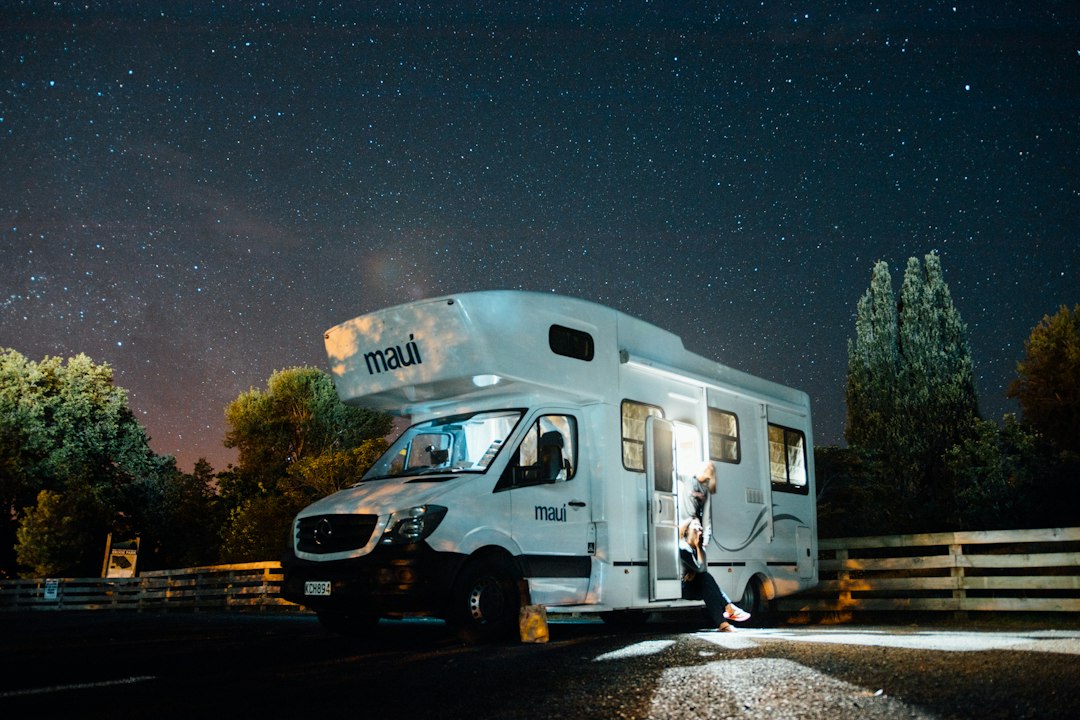
Fuel costs for an RV trip depend not only on the distance to the destination but also on speed, wind, cargo weight, and stopping habits. When planning a long fall trip, it may be worth reviewing past fuel records and the full route before choosing a fuel-saving device.
Plan a route that avoids backtracking, not simply the fastest route
RV.com advises travelers visiting several campgrounds to reduce unnecessary backtracking and review routes with congestion and high winds in mind. The fastest route shown by navigation may not necessarily use the least fuel.
A detour intended to save fuel must still suit the vehicle’s height, weight, and towing length. Rather than automatically switching to narrow local roads even if they take a little longer, it is more sensible to compare distances among routes that an RV can safely use.
Avoid hard acceleration and measure your own vehicle’s fuel economy
Fuel-economy guidance from the Department of Energy and Environmental Protection Agency explains that gentle acceleration and maintaining a steady speed can help conserve fuel. RV.com also recommends driving habits that reduce hard acceleration and frequent changes in speed. Observing posted speed limits and towing requirements is essential.
Fuel-economy improvement percentages for passenger cars should not be applied directly to motorhomes or trailer towing. Vehicle type, wind, grades, and load conditions vary, so travelers should log miles driven and actual gallons purchased over multiple fill-ups to compare results under their own travel conditions.
For example, a 300-mile leg calculated at an actual 8 mpg would require about 37.5 gallons of fuel. Multiplying that figure by the expected price per gallon provides a basic fuel budget. This is a calculation example and does not guarantee that a particular driving method will achieve that fuel economy.
Looking at the entire itinerary in advance and adding more days at one location can also reduce driving altogether. Set the pre-trip budget using measured fuel economy, then drive with flexibility for weather and traffic during the trip; this can help with both fuel use and schedule planning.
Source: RV.com guide to RV fuel economy · Department of Energy and Environmental Protection Agency: driving habits and fuel economy
Photo: Hanson Lu / Original photo: Unsplash · Unsplash License