
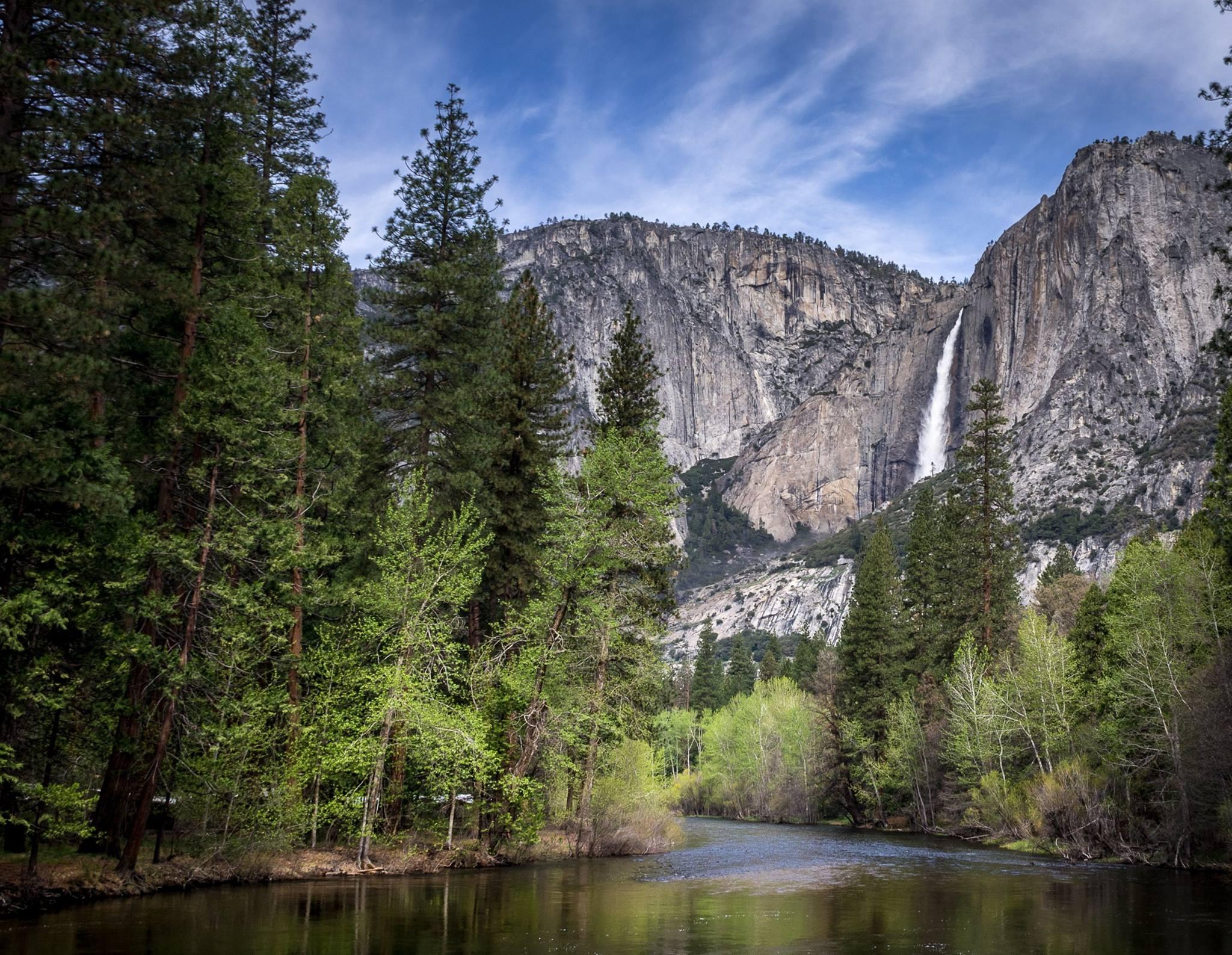
For summer 2026, Yosemite National Park is not requiring vehicle-entry reservations. The day-use reservation system that had appeared during recent summers is gone this year, after the National Park Service reviewed traffic patterns and parking conditions from the previous season and opted to manage congestion through real-time traffic controls and seasonal staffing. The end of reservations may sound like welcome news, but RV travelers face a different issue: eliminating reservations has not created more parking.
Why the reservation system ended
Ahead of the 2026 season, the National Park Service announced a change in how it would manage access at heavily visited parks, including Yosemite. Drawing on traffic data collected in prior seasons, it chose to use temporary detours in congested areas and increase peak-season staffing rather than maintain a reservation portal. Not everyone welcomes the change. Park advocacy groups have voiced concern that summer crowding and parking problems in the valley could worsen without reservations. Which outcome prevails may not be clear until the summer is over.
Why an early start still matters
On the first Saturday in May, parking in Yosemite Valley was already full by 11 a.m. The Hetch Hetchy parking area closed about 90 minutes later, while the South Entrance via Highway 41 saw delays approaching 90 minutes. With no reservation-verification process, vehicles may move through the entrance more quickly, but available places to park can still be gone during the morning. RV visitors should generally plan to leave before sunrise on weekends and during peak season. Parking for trailers and large motorhomes is particularly limited, and getting deep into the valley can become difficult after 9 a.m.
Choosing a campground for an RV visit
Three campgrounds—Upper Pines, Lower Pines, and North Pines—are clustered in Yosemite Valley. Upper Pines is open year-round, accommodates RVs up to 35 feet and trailers up to 24 feet, and requires reservations in every season. In winter, only the first two loops, about 90 sites, are open. Lower Pines and North Pines operate from mid-April to mid-October. In 2026, Lower Pines is open April 21 through October 19, and North Pines is open April 21 through October 26; North Pines uses an early-access lottery reservation system. Both campgrounds accommodate RVs up to 40 feet and trailers up to 35 feet.
Wawona Campground, south of the valley, operates year-round and accepts both RVs and trailers up to 35 feet. In 2026, Loops B and C are reservation-only from April 15 through October 26, while Loop A is reservation-only from April 15 through November 29 and first-come, first-served at other times. Crane Flat and Hodgdon Meadow are seasonal campgrounds generally open from mid-June to mid-October. In 2026, Crane Flat is open May 21 through October 12 and accommodates RVs and trailers up to 35 feet. Hodgdon Meadow has 100 sites in total and tends to offer comparatively more availability.
Reservations are released on a rolling basis at 7 a.m. Pacific Time, 14 days before the arrival date. From May through September, weekend sites often disappear within seconds or minutes of release, so it is best to set a reminder and be ready at the opening time if you have a particular date in mind. Missing the release can often mean waiting until the next date becomes available.
Illegal parking, towing, and full shuttle buses
In early May 2026, vehicles parked at an angle in the Camp 4 temporary parking lot and blocking shuttle-bus traffic were towed. Illegal parking lined the 1.8-mile roadside stretch from Camp 4 to the El Cap Picnic Area, and there were also reports of citations or towing for vehicles parked among trees, in drainage areas, or on protected meadowland. The free valley shuttle frequently exceeds capacity during peak periods in the busy season, so waiting for the next bus after being unable to board is not unusual.
If parking itself feels like too much of a burden, the YARTS regional bus is worth considering. Leaving a vehicle in gateway communities such as Mariposa, Oakhurst, Groveland, El Portal, or Merced and taking YARTS into the valley eliminates two of the biggest uncertainties of an RV trip: finding a parking space and holding onto it. For a trip with fixed dates and expected crowds, this may be the least stressful option.
A high-country alternative: Tuolumne Meadows
Travelers hoping to avoid valley congestion can also turn to the high country. Tuolumne Meadows Campground, reached via Tioga Road, is open only from July 1 through September 28 in 2026, which is the current operating window. It accommodates RVs up to 35 feet and trailers up to 24 feet, requires reservations, and costs $36 per site per night. Because of its elevation, nighttime temperatures are much lower than in the valley, so a sleeping bag and cold-weather gear are wise even in midsummer. Opening dates vary from year to year with snow removal on Tioga Road, so check road-opening status again before visiting.
Entrance fees and the new digital pass
The standard vehicle entrance fee is $35 and is valid for seven days; one payment covers everyone in an RV, van, or pickup truck. Motorcycles cost $30, while visitors entering on foot or by bicycle pay $20 per person. This year, a digital-pass system was newly introduced, allowing entrance passes to be purchased online in advance through Recreation.gov. Showing a screen instead of exchanging a paper receipt at the entrance can make a meaningful difference during congested morning hours.
What to check before you leave
When the park is crowded, text “ynptraffic” to 333111 to receive real-time traffic information. Checking road-status boards or official alert pages before departure is also helpful. If campground reservations are already full for your dates, checking frequently for cancellations can pay off, especially because sites sometimes open one or two days before departure. Drivers of large RVs should also slow down through tunnels and tight curves on valley approach roads and leave ample following distance.
Yosemite has removed one reservation-verification step, but summer peak-season congestion has not disappeared. For RV travelers headed into the valley, an old habit—leaving in the early hours—remains more reliable than the reassurance of no reservations.
Data Source: NPS API (developer.nps.gov) / Recreation.gov RIDB
Photo: NPS Photo, Upper Yosemite Fall and Merced River in spring — nps.gov/yose