
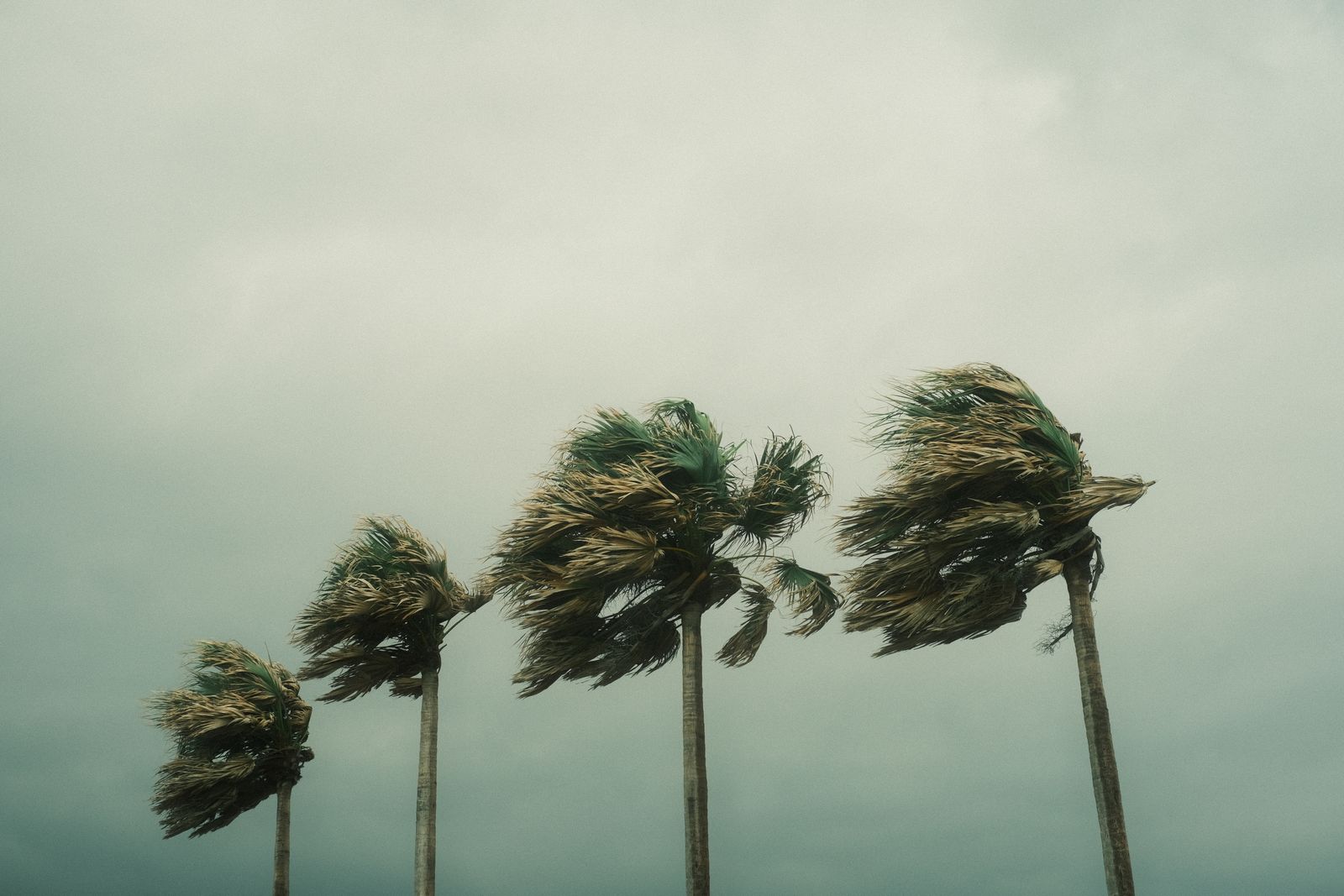
The Atlantic hurricane season runs from June 1 through November 30, with its most active period falling between August and October. Colorado State University’s hurricane research team projected a somewhat below-average 2026 season, with 13 named storms—about 75% of the 1991–2020 average. But fewer storms are no reason to let down your guard. If you are camping in an RV along the Gulf Coast or Atlantic coast, you need to closely watch where storms are headed throughout the season. A single landfall can disrupt both travel plans and safety.
Do Not Wait for an Evacuation Order
The shared message from relevant agencies is clear: Do not wait for a mandatory evacuation order. Leave 48 to 72 hours before the forecast landfall time. RVs are built for mobility, not for withstanding high winds. Well before hurricane-force winds arrive, even strong gusts can put an RV at serious risk because of its vulnerability to crosswinds. Many campgrounds, including Florida State Parks, close on their own once they fall within the forecast cone and storm warnings are issued. If you plan to stay at a campground near the beach, make a habit of checking official closure and access information in advance.
Five Days Out: Cover the Basics
About five days before landfall, the checklist is straightforward. First, identify your evacuation zone, your route out, and where you will stay once you arrive. Gather prescription medications, a pet evacuation plan, fuel, cash, and documents including identification. Because an RV must travel with all its gear aboard, failing to organize ahead of time can leave you stuck when it is time to go.
Three Days Out: Plan for Tropical-Storm Conditions
Starting three days before landfall, proceed on the assumption that tropical-storm-force winds could arrive sooner than expected. Bring in all outdoor items and clear drains in advance so water does not pool. Fully charge electronics, and freezing bottles of drinking water for use in an emergency cooler is also commonly recommended. Taking photos of your belongings ahead of time can help later when documenting damage. If your RV is parked in a low-lying area vulnerable to flooding, this is also the time to move it to higher ground according to local guidance.
Inland Does Not Mean Safe
A hurricane’s hazards do not end at the shoreline. Even after landfall, flooding from heavy rain, tornadoes, and wind damage commonly extend hundreds of miles inland. Even if you are staying at an inland campground rather than on the Gulf Coast, make a habit of checking the National Hurricane Center website every day during hurricane season. This is especially important when traveling in coastal-adjacent states such as Florida, Texas, and the Carolinas, where a storm’s track can change from one day to the next.
Before Booking a Campground, Check Its Cancellation Policy
If you plan to reserve a campground on the Gulf Coast or Atlantic coast during hurricane season, it is wise to review weather-related cancellation and refund policies at the time of booking. Refund terms may differ when a campground closes because a storm warning is in effect and when a traveler cancels based on their own judgment. Policies are often more restrictive for peak-season reservations, so rereading them before finalizing a booking can prevent unnecessary losses later. When a campground itself closes, a full refund or a change of dates is often available, but policies vary by property. Rather than relying only on the wording on the reservation page, call to confirm directly.
Why a Below-Average Forecast Should Not Be Taken at Face Value
The below-average outlook for the 2026 season may offer some reassurance, but projected storm totals and the scale of actual damage are separate matters. Even if there are fewer storms, the situation is just as serious if one passes directly over your campground. RV travelers should not take comfort in the forecast numbers; they should keep plans flexible throughout the season and remain ready to leave at any time. Simply making a habit of keeping fuel and propane tanks at no less than half full, along with carrying an ample supply of water and emergency food, can make a real evacuation much easier.
Photo: Guilherme Christmann, https://www.pexels.com/photo/palm-trees-during-a-hurricane-16313103/