
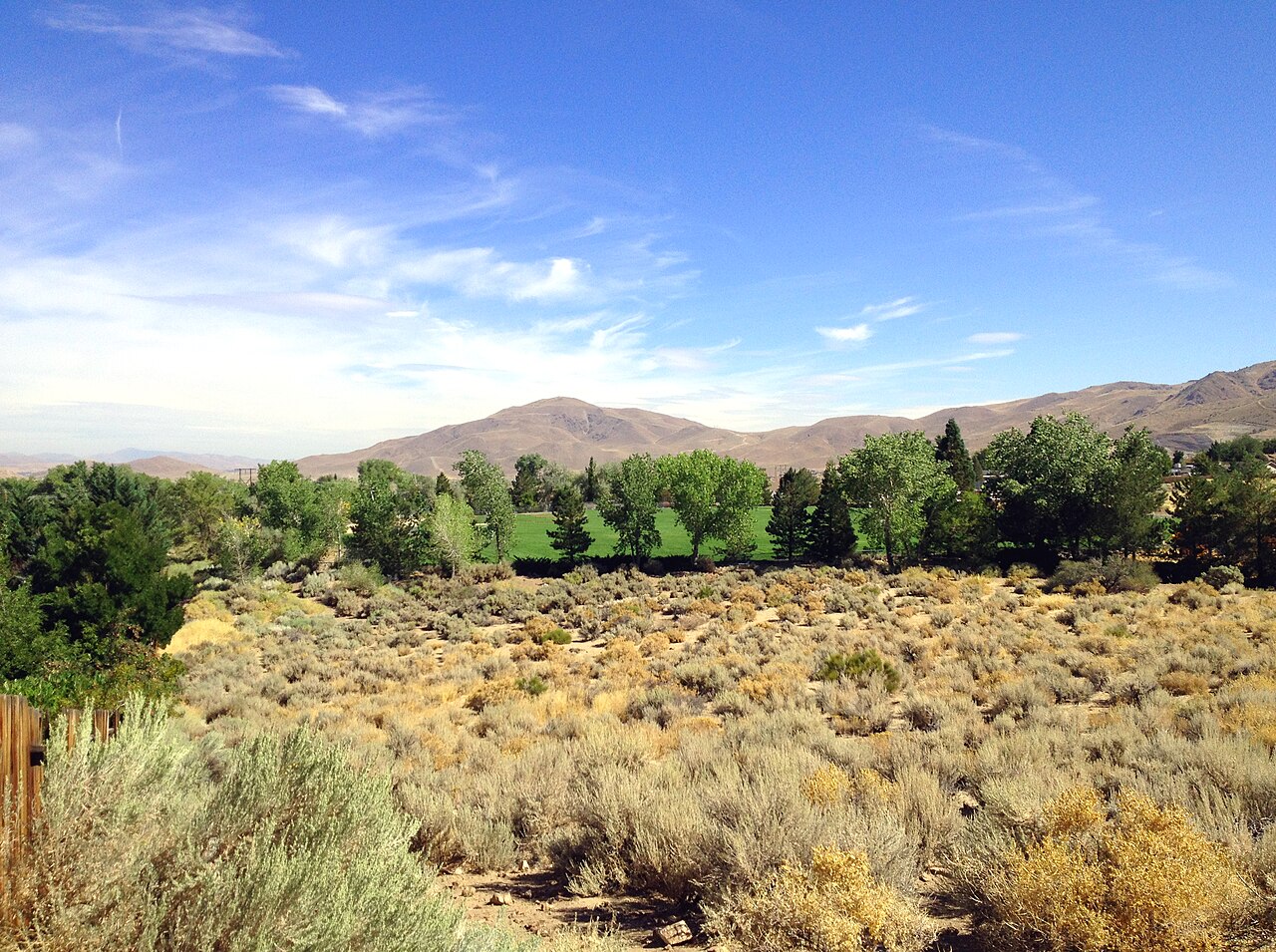
Dry, strong winds were forecast east of the Sierra Nevada between Reno and Carson City on the afternoon of September 12. A Red Flag Warning issued by NWS Reno at 2:08 a.m. that day was in effect from 11 a.m. September 12 through 2 a.m. September 13 Pacific time. Southwest winds were expected at 20 to 30 mph, with gusts reaching 45 to 55 mph. For weekend RV travel, both outdoor cooking ignition risks and winds that can buffet vehicles needed consideration.
The key concern in this warning was the combination of wind and low humidity rather than rainfall. Afternoon relative humidity was expected to fall to 12% to 17%. NWS said that if a fire started under these conditions, it could grow rapidly in size and intensity before initial suppression efforts could contain it. This was a warning for weather conditions favorable to wildfire spread, not an announcement that a wildfire had started at a specific campground.
Areas Affected
The northern Sierra Front warning area included Carson City; Douglas and Storey counties; southern Washoe County; western Lyon County; and the far southern part of Lassen County. The southern area extended across Alpine County, northern Mono County, southern Lyon County, and western Mineral County. Travelers staying near Reno or passing through these areas needed to check not only their destination but also the routes in between.
On the road, travelers also needed to follow Nevada Department of Transportation high-wind guidance. The department noted that high-profile vehicles and vehicles towing trailers are more vulnerable to strong winds and rollover crashes, and identifies Washoe Valley and Pleasant Valley on US 395 as areas served by a high-wind warning system. Whether actual travel restrictions were in place had to be determined from road notices and roadside signs immediately before departure.
What RV Travelers Need to Know
NWS advised avoiding campfires and activities that can create sparks near dry vegetation, and following local fire restrictions. The presence of a designated fire ring did not by itself mean a campfire was allowed. It was best to confirm that day’s cooking and fire rules with the campground operator before check-in and to prepare meals that did not require a fire.
Travel plans needed extra time during the strongest winds. NWS advised slowing down and keeping both hands on the steering wheel in high winds. If the wind made driving feel unsafe, travelers should not rush to continue. They needed to check NVRoads conditions and on-site restrictions before deciding whether to depart; a map app’s estimated arrival time could not substitute for that information.
At the campsite, loose items needed to be secured in advance, and travelers should stay away from trees and downed power lines. A forecast of recovering humidity early on the 13th did not by itself mean cooking or travel had become safe. Checking for warning updates and campground guidance again before continuing the next day’s plans was the key decision point for that weekend.
Sources: NWS Reno Red Flag Warning / Nevada Department of Transportation High-Wind Driving Guidance / NWS High-Wind Safety Guidance
Photo: Beesmill / Original photo page (CC BY-SA 4.0)
