

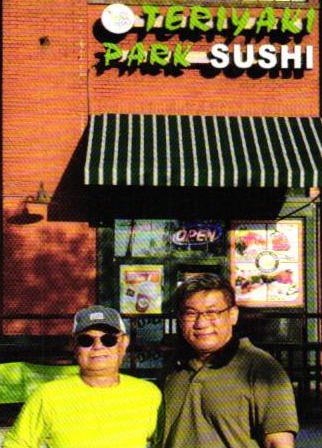
My older cousin’s son has lived in Waco for about 30 years. He and his wife run a sushi and teriyaki restaurant here. It was good to see them settled, with all their children married. My wife and I decided to stay a few days, both to shake off the fatigue of the road and to spend time with family we hadn’t seen in years.
Thanks to the two of them, we could put our wandering life aside for a day or two. We rested properly for the first time in a while and got a taste of life in a smaller city in the middle of the country. Waco still ranked among the 200 largest U.S. cities by population, and to me it felt safe and peaceful. I hadn’t thought well of Waco before coming here. Seeing it for myself made me realize how little I knew when I passed judgment on a place I had never experienced.
Locals take great pride in Waco as a college town. Baylor University, a distinguished private university founded in 1845, had nearly 180 years of history by the time of our visit. Its roughly 15,000 students alone amounted to more than a tenth of the city’s population.
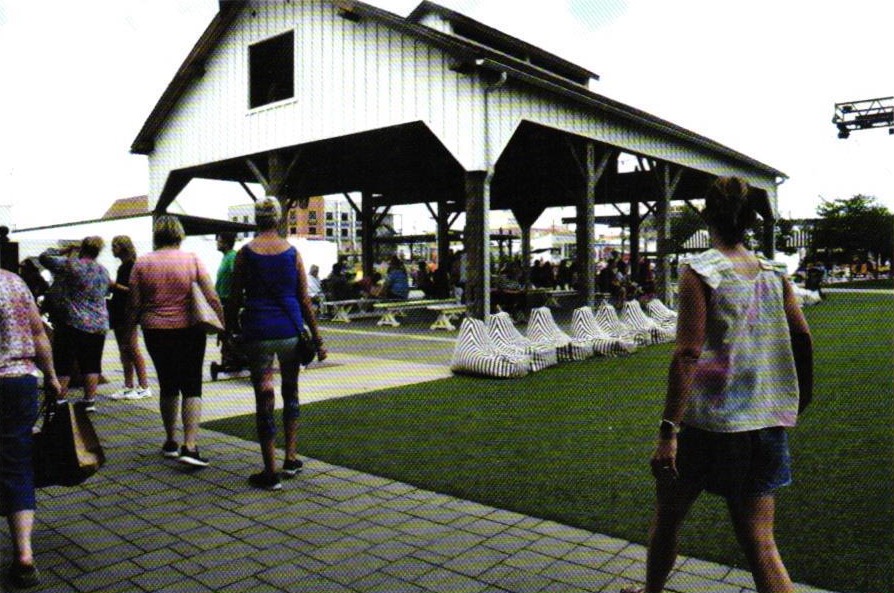
Along the Brazos River, which runs through town, Cameron Park offered plenty to look at, from dinosaurs and other animals to bronze cowboys on horseback driving cattle. The Suspension Bridge and Texas Ranger Hall were also worth a visit, as was Magnolia Market & Garden, a lively venue that locals were proud to show off. And the generous plates at the steakhouses made it clear that this was a good town for eating well and taking it easy.
With my nephew and his wife running a restaurant, we could spend our days sightseeing and eat good sushi and teriyaki three times a day. I felt as though I were living the life of an immortal. My nephew tempted us to move here. Houses and everyday expenses were affordable, he said, and we could stock up on Korean groceries and other essentials in Dallas, only an hour or two away. The weather was mild, too. Since we’d already stopped for a rest, the fanciful thought crossed my mind that we might simply stay.
But a wanderer is still a wanderer. After three or four days in the same place, I was itching to get moving. My nephew was sorry to see us go. “I’ll come again next year,” I told him, making the familiar promise without knowing whether I could keep it. Then I drove on toward Dallas.
Guide
Texas and Arizona are both said to be cowboy country. In Waco, the university draws a sizable Korean community, including professors and international students. When I visited, the city had a Korean church but no Korean restaurant or grocery store. People drove more than an hour to Dallas or Austin to shop.