
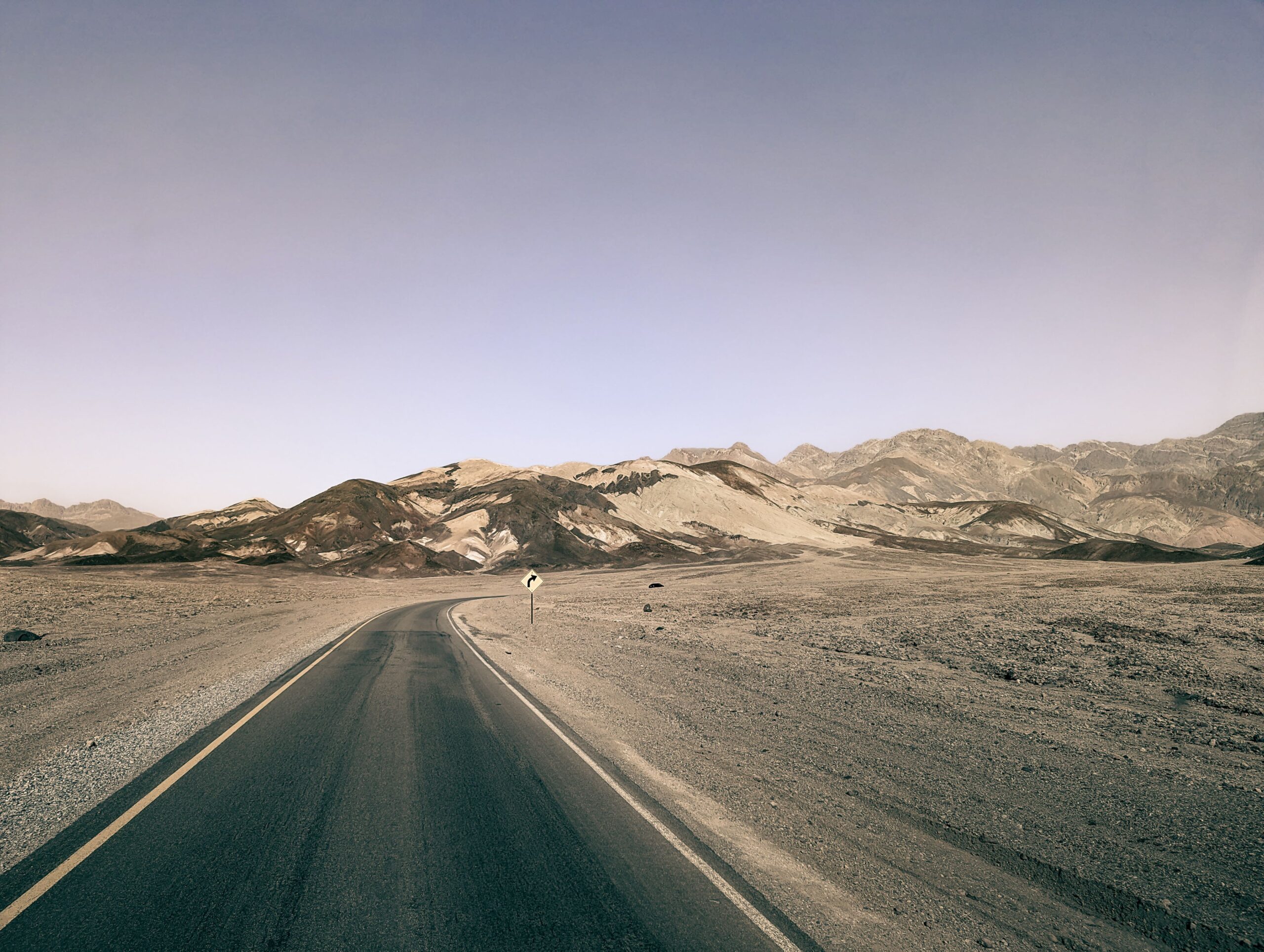
Death Valley National Park is where the hottest temperature ever recorded on Earth was observed: 134°F at Furnace Creek in 1913. But outside the summer season, the experience is entirely different. With salt flats, red canyons, and night skies filled with stars, it is one of the American West’s most dramatic RV destinations. The key questions are when to visit and where to camp.
Furnace Creek Campground — The Only Option With Hookups
Furnace Creek Campground is one of the few campgrounds in Death Valley open year-round and effectively the only National Park Service-operated campground with electrical hookups. Of its 136 sites, 18 have 30/50-amp electrical hookups. Full-hookup sites, with electricity, water, and sewer, cost $44 per night, while standard sites without hookups run about $30. The maximum RV length is 100 feet, accommodating even large rigs. Reservations are required from January 1 through April 15 and from October 15 through December 31; during the height of summer, from mid-April through mid-October, sites are first-come, first-served. When selecting a site, remember that total length includes the RV and tow vehicle or towed car, and only one RV is permitted per site.
When to Visit — Summer Must Be Avoided
From June through September, daytime highs regularly reach triple digits, or 100°F and above, and most RV rental companies prohibit travel through Death Valley during this period. Highs can begin reaching 100°F as early as May. In contrast, late fall through early spring—roughly late October through early April—brings comfortable daytime temperatures in the 60s to 80s. March and April are the busiest spring months, with daytime highs ranging from the low 80s into the low 90s: hot, but generally manageable. If summer travel through Death Valley is unavoidable, consider driving early in the morning or at night, and inspect the RV’s cooling system and tires before departing.
Texas Spring & Stovepipe Wells — Alternative Campgrounds
If Furnace Creek is fully booked, two alternatives are available. Texas Spring Campground is just a few minutes’ drive from Furnace Creek and offers shaded sites, picnic tables, and fire rings, but no hookups, so dry camping is the norm. Stovepipe Wells is a privately operated RV park run by the town itself, with electric and water hookups, as well as a swimming pool and Wi-Fi, making it a good fit for travelers who prioritize convenience. Outside the summer season, reservations at both can be competitive, so booking at least one or two months ahead is recommended.
Death Valley RV Checklist
Fuel stations and water resupply points within the park are very limited. It is safest to fill up with fuel and propane before entering, and to carry as much water as possible in the freshwater tank. Check coolant and air-conditioning operation before departure, along with brakes and tire pressure. Cell service is scarce across most of Death Valley, so download offline maps ahead of time and make an emergency communication plan. Avoid long daytime hikes or outdoor activities in extreme temperatures, and always carry extra drinking water in the vehicle.
Photo: Diego F. Parra, Pexels (https://www.pexels.com/photo/29286029/)