
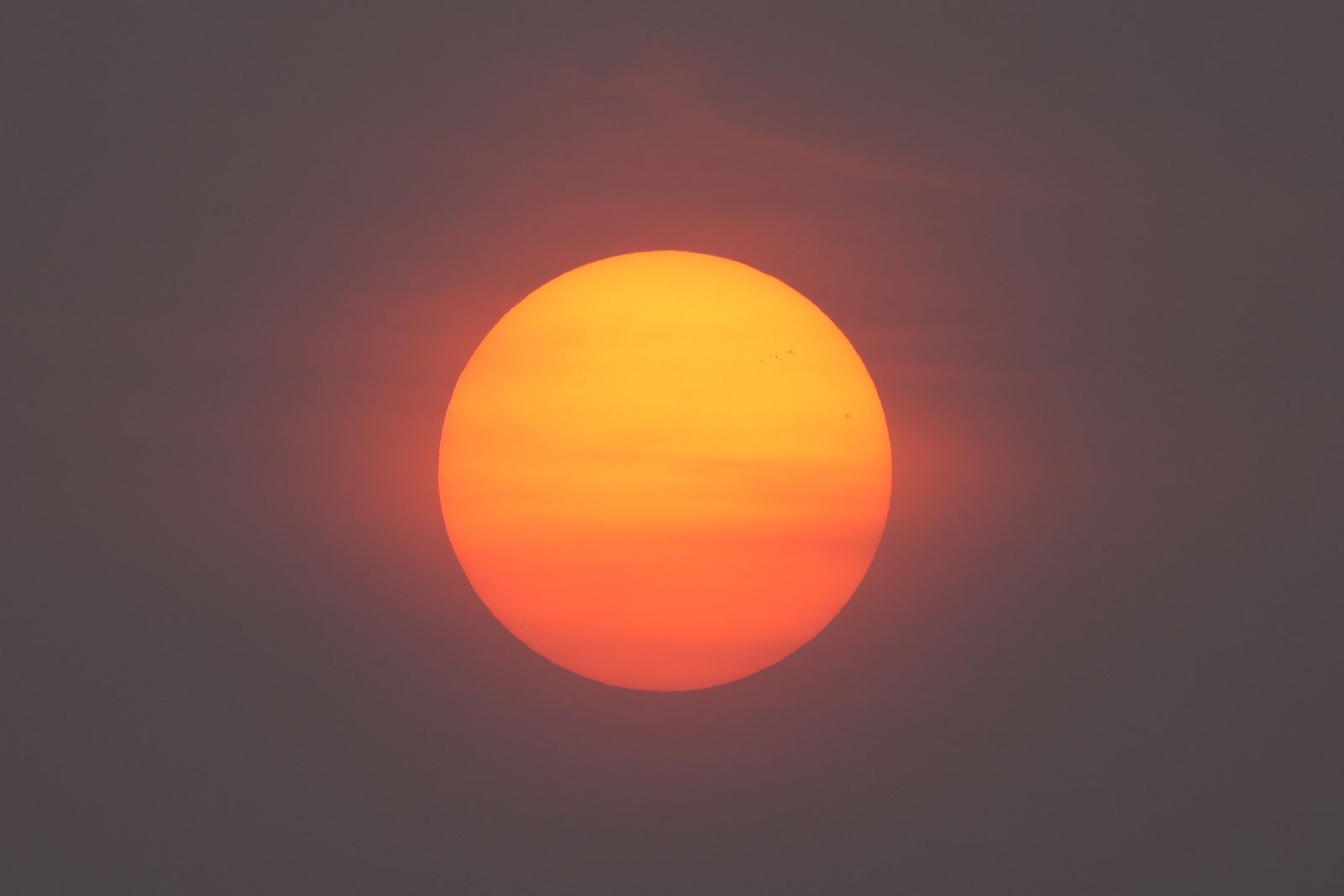
Wildfire potential across national forests and national parks looked troubling this summer. Oregon, Washington, and parts of the northern Rockies had far less winter snowpack than normal, and the snow melted earlier than usual. The National Interagency Fire Center’s June monthly wildfire-potential outlook viewed those conditions as a serious concern for the summer. Smoke risk was relatively lower through June and early July, but conditions were expected to change in August.
AQI 150: A Threshold for Calling Off a Trip
An Air Quality Index, or AQI, of 0 to 50 is ideal, while outdoor activity should be reduced once it rises above 100. Above 150, the recommended threshold is to cancel a trip lasting several days. Real-time AQI for a planned campground can be checked through sites such as AirNow.gov or PurpleAir. It is worth checking not only before departure, but also every morning during the trip.
An RV Is a Safer Refuge
When smoke becomes heavy, an RV offers a major advantage over a tent. Closing the windows and running the air conditioner on recirculate can substantially reduce the amount of outdoor smoke entering the cabin. But extended use of recirculate can raise indoor carbon dioxide levels, so it is wise to air out the RV during a period when outdoor air quality briefly improves. A portable air purifier with a fine-particle filter can also help.
Ash Fell From the Sky at Isle Royale, Michigan
Isle Royale National Park in Michigan recently experienced falling ash, and several campgrounds closed. Official air-quality readings also remained in the unhealthy range. In Minnesota, the Forest Service closed the Boundary Waters Canoe Area Wilderness after nearly 20 wildfires spread simultaneously within Superior National Forest, and no reopening date had yet been set. Large wildfires also continued near the Colorado-Utah border, extending smoke and fire risk toward the Canyonlands area.
What to Check Before You Leave
Be sure to check the official alerts page for the destination national park or national forest before departure. Wildfire-related road closures and campground evacuation orders are often issued without advance notice. Keep the fuel tank at least half full, since gas stations may be among the first places to become crowded when an evacuation order is issued. Keep N95 or KN95 masks in the vehicle, and identify at least one alternate campground or detour near the destination in advance.
Pets Are Vulnerable to Smoke, Too
Dogs and cats, like people, can be sensitive to fine-particle pollution. If they cough, have trouble breathing, or seem more lethargic than usual, close the windows and bring them indoors immediately. It is better to move walks to early morning or late evening, when smoke may be relatively lighter.
Always Map Two Ways Out
A wildfire evacuation can change quickly the moment a single road is blocked. Upon arriving at a campground, make a habit of first checking whether there is an alternate route out in a direction other than the entrance road. An RV equipped with lithium batteries and solar panels offers more flexibility because it can keep the refrigerator and communications equipment running during an evacuation. Keeping those batteries fully charged is also part of wildfire-season preparation.
August Still Has Half the Month Left
For travelers with flexible schedules, moving trips to parks around Glacier, Yellowstone, or the Sierra Nevada to June or early July is the surest way to reduce smoke risk. If an August trip is already planned, it may be more practical than canceling to check AQI each morning and leave room to change the route as conditions require. Keep in mind that large wildfire activity tends to increase, rather than decline, as summer draws to a close.
Use InciWeb to Track Fire Spread
While AirNow shows air quality, InciWeb provides the location, rate of spread, and containment percentage for active wildfires. If there is an active fire near the destination, it is safer to check InciWeb for its containment level and how quickly it is spreading before making a final decision on the trip.
Check Refund Policies in Advance
During wildfire season, entire itineraries can change without much warning. Reading the refund and change policies of a booking site or campground at the time of reservation can make it easier to adjust plans without worrying about penalties if smoke becomes severe. Fire Weather Watches and Red Flag Warnings issued by the National Weather Service should also be part of the pre-departure checklist.
Watch for Symptoms After Returning Home
After several days of smoke exposure, coughing, a sore throat, or eye irritation can continue for days after a trip ends. People with asthma or other respiratory conditions should seek medical care if symptoms do not ease. Take especially close care if children or older adults were part of the trip.
A Five-Minute Check Before Departure
Just before leaving, make a habit of checking five items in order: the destination AQI, InciWeb’s list of active fires, the national park alerts page, the fuel level, and the campground’s refund policy. It takes only five minutes, but it can help travelers decide what to do next without panic if smoke suddenly thickens.
Share Information With Nearby Campers
Other campers at the same campground can also be valuable sources of information. They may learn about road closures or evacuation notices before the campground office does. Checking community bulletin boards or regularly asking the camp host about conditions is another way to get through wildfire season more safely.
Photo: David Kanigan / Pexels