
Starting the RV lifestyle can feel overwhelming when you are not sure what to prepare first. This is the first in a 10-part series covering the essentials for beginners.
- Choosing an RV — Comparing Travel Trailers, Motorhomes, and Fifth Wheels
- Estimating Costs — Building Your First Budget From Purchase to Maintenance
- Essential Gear and Supplies Checklist
- Where and How to Stay — Types of Campgrounds and Booking Channels
- Understanding Campground Reservations and Hookups — Basics of Electric, Water, and Sewer Connections
- Preparing for Your First Camping Trip — Route Planning and Itinerary Checklist
- Vehicle Safety Checks for Travel — Pre-Departure Inspection List
- Road Trip Guidelines — What to Keep in Mind During Long-Distance Travel
- Advice for an Enjoyable Trip — Tips Beginners Often Miss
- RV Maintenance and Storage Basics — Routine Inspections and Winter Preparation
This first article begins with the types of RVs. RVs generally fall into two categories: motorhomes, which have their own engines, and towable trailers pulled by a separate vehicle. In recent years, more people have also been converting cargo vans for camper-style travel. Here, we compare the features, advantages, and drawbacks of each type, along with basic information for using RV sites.
Motorhomes — Homes on Wheels With Their Own Engines
A motorhome combines the chassis and living quarters in a single vehicle, so no separate tow vehicle is required. Depending on size and layout, motorhomes are divided into three categories: Class A, Class B, and Class C.
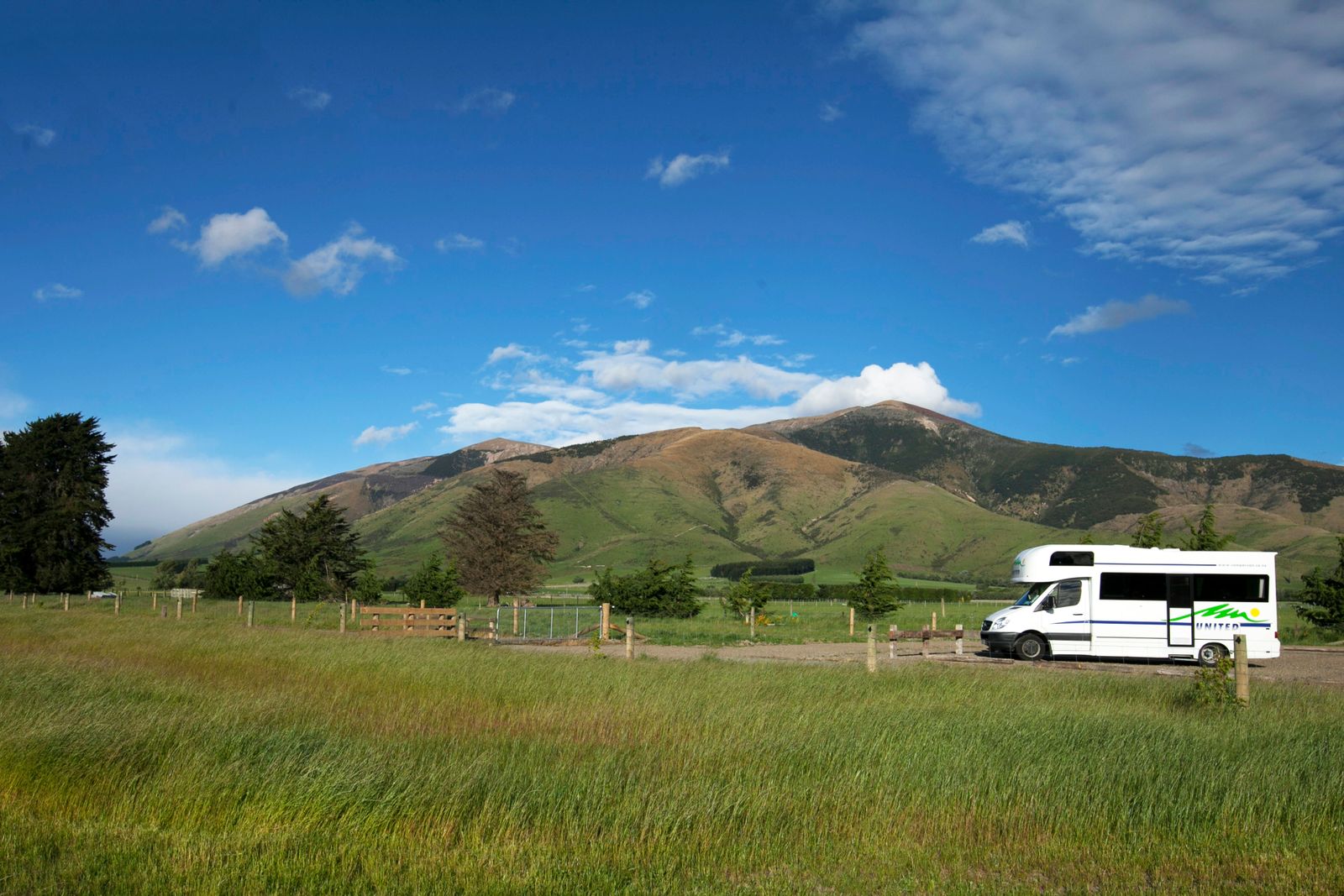
Class A — Large Bus-Style Motorhomes
These bus-style RVs range from 25 to 45 ft long and often offer generous sleeping space for four to eight people, along with upscale amenities. They are well suited for long-distance and family travel, though driving and parking them generally require more experience.
Class B — Camper Vans
These compact van-style RVs measure 16 to 24 ft long and are well suited for two to four people. Their fuel efficiency, maneuverability, and ability to fit in standard parking spaces make them especially popular with solo travelers and couples.
Class C — Cab-Over Motorhomes
Measuring 20 to 32 ft long, these motorhomes feature a separate sleeping area above the cab. Easier to handle than Class A models while still providing an extra bed, they are often considered a balanced choice for families of four to six.
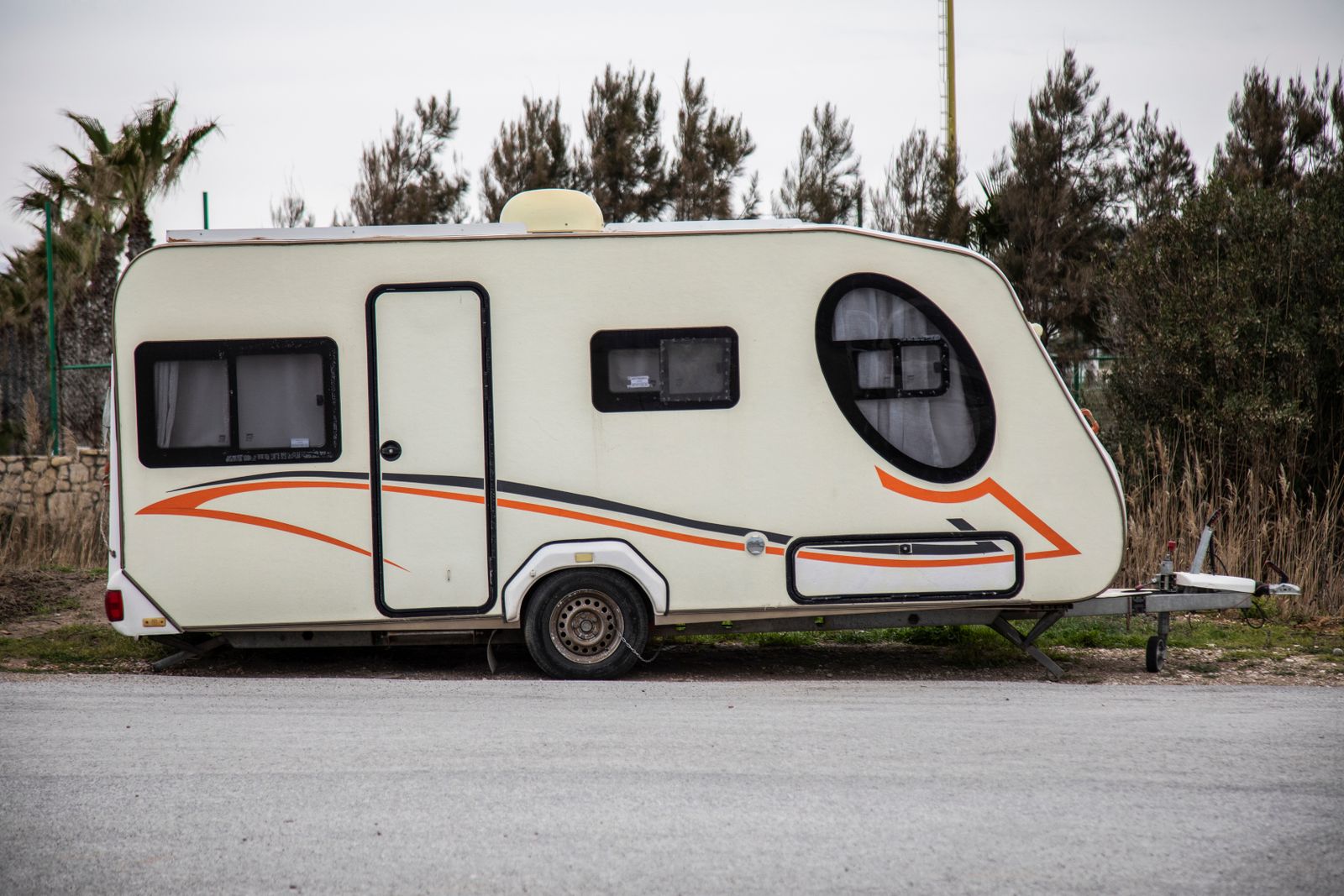
Towables — Travel Trailers
Travel trailers connect to a tow vehicle with a bumper-mounted hitch. They range from 12 to 35 ft long, offer relatively wide interiors, and tend to be lighter, which can reduce fuel costs. Anyone with a suitable tow vehicle can choose from a wide variety of combinations, making them relatively accessible. Models are available for two to eight people.
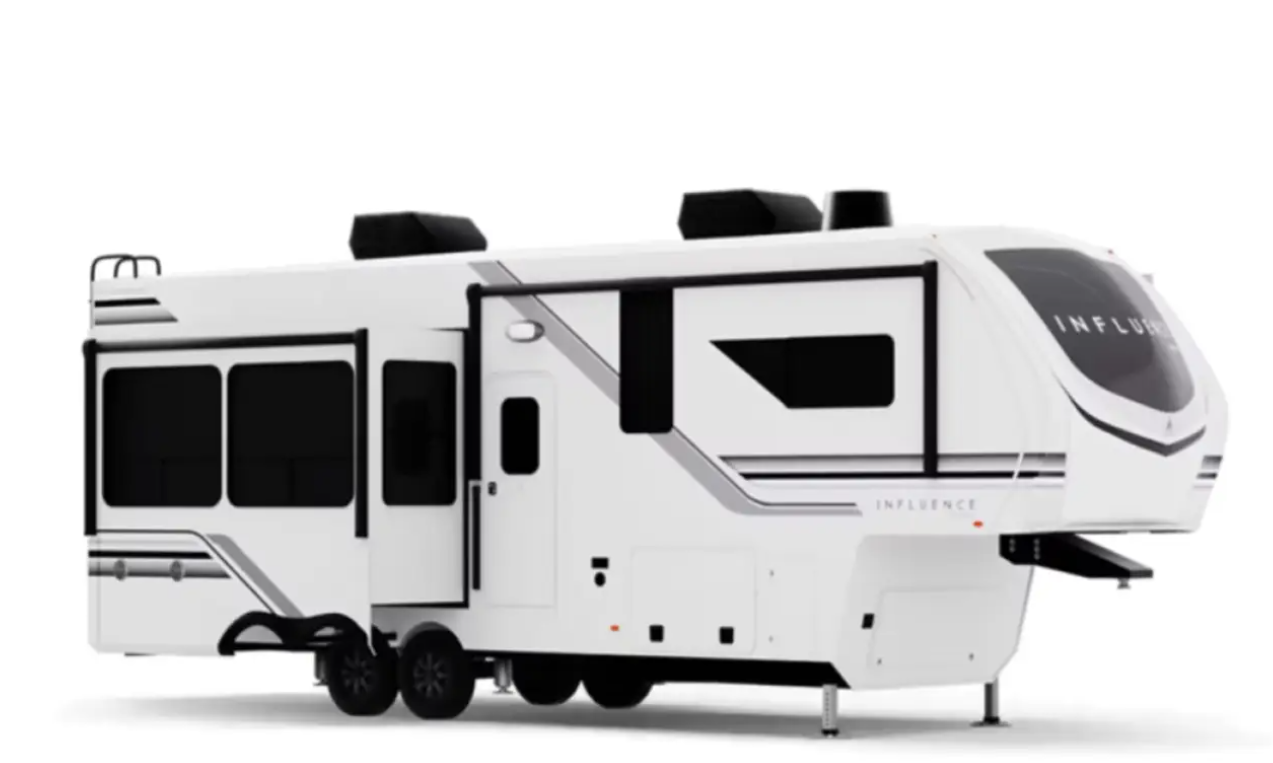
Fifth Wheels — A Balance of Stability and Space
A fifth wheel connects the front of the trailer to a hitch installed in a pickup truck bed. Because the weight is centered over the truck bed, it offers greater towing stability than a standard travel trailer and can provide a spacious interior measuring 25 to 40 ft long. A pickup truck with a bed is required for towing.
Converted Vans — Building Your Own RV
Rather than buying a completed RV, more people have recently been converting cargo vans for camper travel. High-roof cargo vans such as the Mercedes Sprinter and Ford Transit are commonly used, with insulation, interior panels, a bed, a compact kitchen, and an electrical system installed in stages.
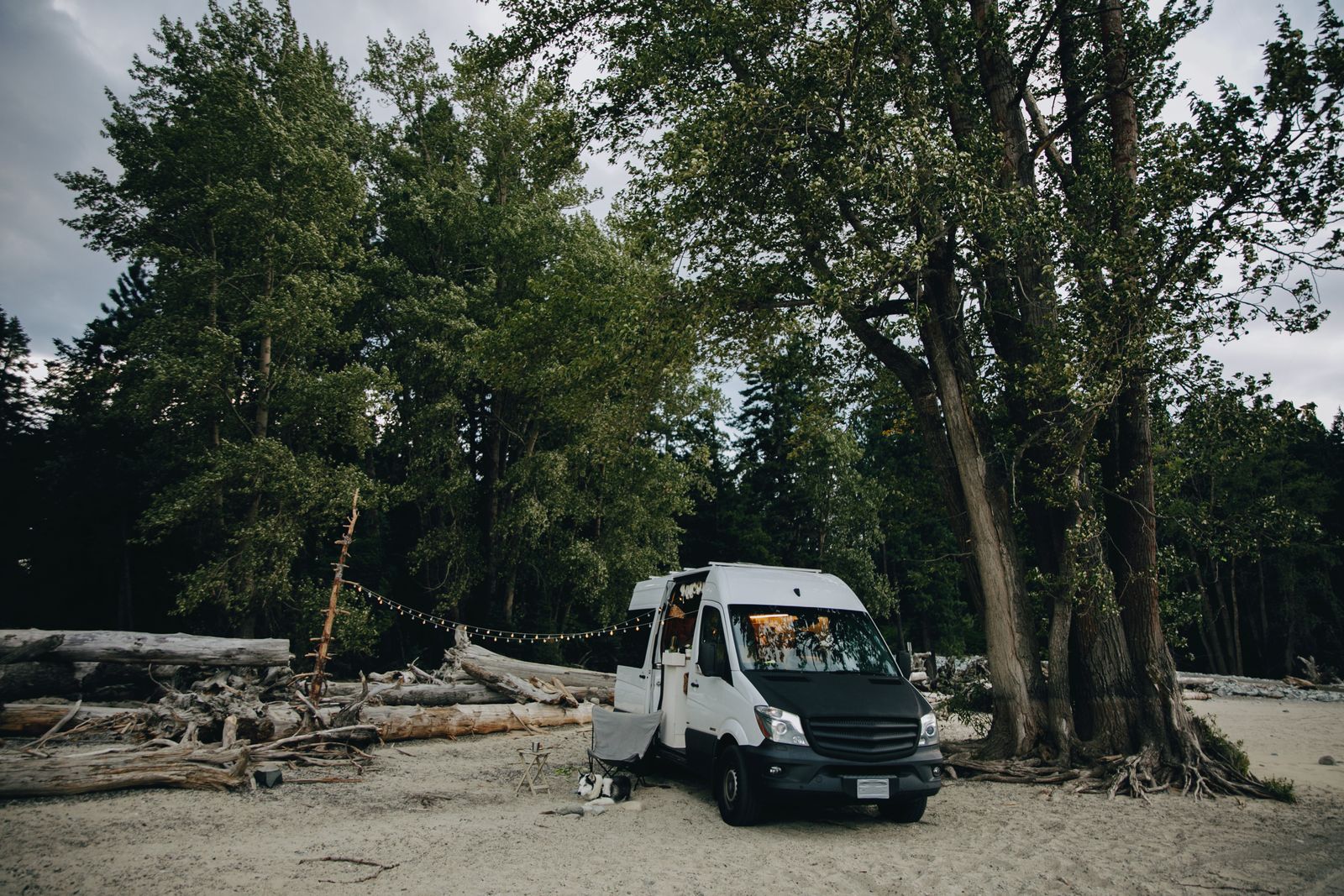
A full DIY conversion can cost several thousand dollars in materials alone and take roughly three to six months when completed on weekends. A basic setup with insulation, panels, a bed, a simple kitchen, and a 200W solar panel can be an affordable way to get started. Electrical wiring is difficult, and professional help is needed for that part. The rest can be tackled with basic woodworking skills, making this a good fit for beginners with limited budgets who want maximum time and freedom to customize their space.
RV Site Basics — Hookups and Reservations
Once you have chosen a vehicle, the next step is understanding the sites where you will stay. RV campgrounds are generally divided into full-hookup and partial-hookup sites.
- Full hookups: Electricity, water, and sewer can all be connected at the site. Electrical service is divided into 30-amp service for smaller RVs and 50-amp service for larger RVs.
- Partial hookups: These typically provide electricity and water only, with sewer handled at a separate dump station within the campground.
- Sites without hookups (dry camping): With no connections available, travelers must rely on their own batteries, water tanks, and solar power.
State and national park campgrounds often provide only electricity and water, with sewer handled at a dump station. Before making a reservation, be sure to check the site details for the type of hookups and vehicle-length limits. The next article will cover campground reservations and the practical use of hookups in more detail.
Choosing the Right RV for You
The choice becomes much easier when you consider your budget, whether you own a tow-capable vehicle, the number of travelers, and the amount of interior space you want.
| Type | Length | Capacity | Key Features |
|---|---|---|---|
| Class A Motorhome | 25~45ft | 4–8 people | High-end bus-style RV; no separate tow vehicle needed |
| Class B Motorhome | 16~24ft | 2–4 people | Camper van design with strong fuel economy and convenient parking |
| Class C Motorhome | 20~32ft | 4–6 people | Cab-over design provides a sleeping area above the driver’s cab |
| Travel Trailer | 12~35ft | 2–8 people | Towed by a bumper hitch; relatively light and compatible with a variety of vehicles |
| Fifth Wheel | 25~40ft | 4–6 people | Connects to a pickup-bed hitch; offers towing stability and generous interior space |
| Converted Van | Varies by van size | 1–2 people | A self-converted cargo van offering flexible customization and a lower initial barrier to entry |
For a first RV, a motorhome may be worth considering if your budget is ample and you want to begin without a separate tow vehicle. A fifth wheel may fit if you already own a pickup truck and want more interior space with stable towing. If you want to create a personal space freely at the lowest possible cost, a converted van may be a good option.
Photo: Jeffry Surianto, Pexels · Engin Akyurt, Pexels · PNW Production, Pexels