
The fourth step for first-time RV travelers is lodging. Where you will stay that evening is one of the first things to decide when planning the day. In unfamiliar areas, it is safest to make it a rule to arrive at your overnight stop before sunset. Lodging options generally fall into three categories: campgrounds, hotels and motels, and dispersed camping, where you stay overnight for free.
Campgrounds and RV Parks
If your goal is to enjoy nature or visit national parks, a campground is a good fit. Depending on who operates them, campgrounds include national park campgrounds, state park campgrounds, county and national forest campgrounds, private campgrounds such as KOA, and RV parks. Except for national parks and private campgrounds, many campgrounds do not have showers. National and state parks generally have coin-operated showers and flush toilets.
Many RV parks offer full electric, water, and sewer hookups, making them more convenient but somewhat more expensive than standard campgrounds. Some allow less expensive stays if you request dry camping, meaning you rent only a site without hookups. RV parks in popular areas, including coastal destinations, can raise rates sharply during peak season, so reserving ahead is the safer approach.
When and How to Reserve
Most popular campgrounds within national parks take reservations through Recreation.gov, with the standard reservation window opening 6 months before the arrival date. To secure a popular campground during peak season, it helps to be online when reservations open at 10 a.m. Eastern Time. Some campgrounds are first come, first served without reservations, but guests from the previous night usually check out around 11 a.m., so a useful strategy is to arrive and wait before then.
Hotels, Motels, and Inns
For a more comfortable night’s rest, a hotel or motel is also a good option. Even if they are not four- or five-star properties, standard chain motels generally offer dependable safety and convenience. Most operate on an online reservation system, and walk-in guests without reservations are often charged about 10% to 15% more. Still, booking based on price alone without checking reviews can leave you in a place with poor surroundings, so it is worth at least looking over the reviews.
Dispersed Camping as an Option
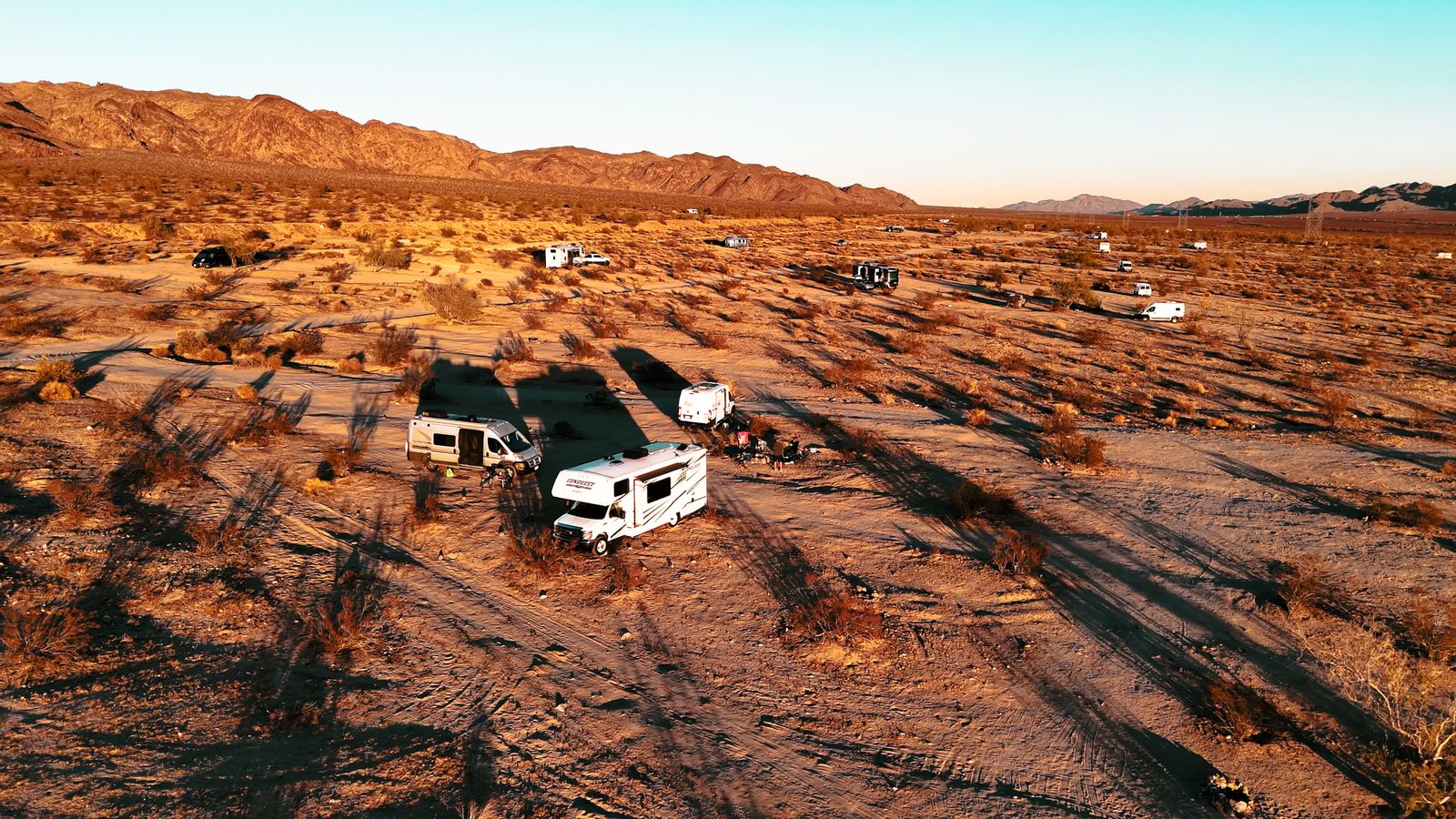
If you want to cut costs or try something different, dispersed camping is also worth considering. Free campsites managed by the Bureau of Land Management (BLM) are a common example. Most have few, if any, amenities, but they are free on a first-come, first-served basis and are widely available around the country. Many freeway rest areas have restrooms and drinking water, but some prohibit overnight parking or limit parking time, so be sure to check the signs. Walmart and casino parking lots also often allow overnight parking, and some casinos provide free electricity or dump facilities. Large truck stops often have paid shower facilities and are popular with long-distance trailer travelers.
At-a-Glance Comparison of Lodging Types
| Type | Approximate Nightly Cost | Features |
|---|---|---|
| National and State Park Campgrounds | $15–$40 | Coin-operated showers and flush toilets. Reservations recommended 6 months ahead. |
| Private Campgrounds and RV Parks | $30–$60 | A range of hookup options; peak-season rates rise in popular areas. |
| Hotels and Motels | $50–$150 | Online reservations are standard; walk-in rates may carry a surcharge. |
| Dispersed Camping (BLM, Rest Areas, Parking Lots) | Free | Few amenities; local rules must be checked. |
Most travelers combine these four options according to their circumstances. They may spend several nights at campgrounds, use a hotel for a day of showers and rest, and stay at a rest area or truck stop while traveling between destinations. The next installment will cover how to connect electricity, water, and sewer service at a campground.
[Article source: America Road Trip, Jong-sung Na, JoongAng Ilbo]
Photo: Dubang chang, Pexels