
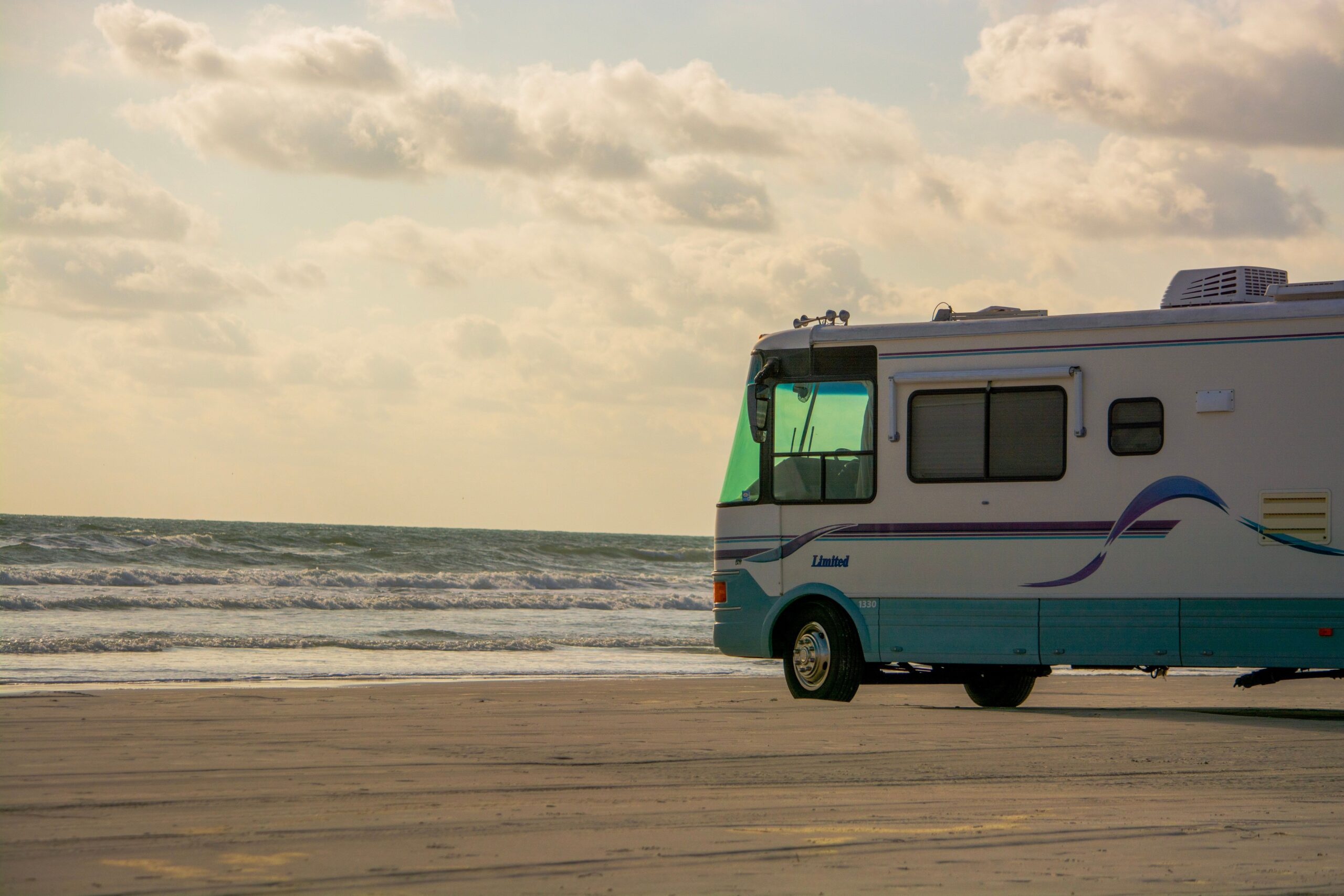
Two models from the same company and in the same class can be separated by nearly $240,000 on the price sheet. Newmar’s 2026 Ventana starts at $503,005, while the company’s gas-powered Bay Star starts at $263,900. Winnebago shows a similar split: the diesel Inspire 34AE is listed at $379,419, and the gas-powered Adventurer 35F at $257,575. Both companies place a substantially higher price on their diesel models, and understanding where that difference comes from can help determine whether the added expense makes sense.
Why Are Diesel Pushers More Expensive?
A diesel pusher places its engine at the rear and mounts the coach body on a specialized chassis from companies such as Freightliner or Spartan. Air suspension, independent front suspension, steering assist, and air brakes are standard, while the frame itself is built more robustly. Fuel tanks are larger as well. These coaches differ from gas motorhomes at the structural level, so the price gap reflects fundamental hardware rather than optional equipment.
Fuel Economy and Power: The Numbers Behind the Difference
Diesel fuel produces roughly 10% to 15% more energy than gasoline in the same volume. As a result, similarly sized diesel pushers typically return about 8 to 14 mpg, compared with roughly 6 to 10 mpg for gas motorhomes. The torque gap is greater still. Tiffin’s flagship Phaeton uses a 450-horsepower Cummins engine with up to 1,250 lb-ft of torque. That difference becomes noticeable when climbing grades or traveling long distances with a heavy load.
2026 Models Worth a Look
Newmar alone offers a deep lineup, from the Dutch Star, Mountain Aire, and Ventana to the top-tier King Aire 4596 and Essex 4551. American Coach’s American Dream 45A also targets the upper end of the market. Coaches in this class commonly stretch to about 45 feet, and their living rooms and kitchens can rival a modest apartment once the slideouts are extended. One or two bedrooms and bathrooms are available, and full-size appliances are common.
Why the Sticker Price Is Not Enough
Diesel pusher pricing spans a wide range. Including used listings, prices run from $49,510 to $782,593, with an overall average of about $214,995. That average has limited value, however, because it combines smaller diesel pushers with top-tier luxury coaches. The segment most commonly bought and sold falls between $250,000 and $500,000. Buyers should account for maintenance costs as well as the purchase price. Diesel engines generally have long service lives and relatively extended maintenance intervals, but service access is not as widespread as it is for gas engines.
For Used Coaches, Start With the Chassis
Because diesel pushers are built by separate body and chassis manufacturers, used-coach shoppers may be better served by checking the chassis history before focusing on interior finishes. Freightliner and Spartan chassis have separate warranty coverage and service records that can be requested from the dealer. Generator hours, tire manufacturing dates, and the condition of slideout seals also deserve attention. Even when tread looks sound, tires with older production dates may have hardened rubber, so replacement decisions are often based on age rather than mileage.
Gas or Diesel Ultimately Comes Down to How You Travel
Diesel pushers are often considered well suited to cross-country trips, full-time living, and travel with a towed vehicle, thanks to their greater towing capacity than gas models. For shorter weekend trips or for buyers who prioritize easy access to service, a gas motorhome with a lower initial cost may still be the sensible choice. In the end, the $240,000 price difference is not simply a number on a specification sheet; it also reflects what an owner intends to do with the coach.
Photo: Sebastian Vazquez, Pexels (pexels.com/photo/rv-on-beach-20396250/)