
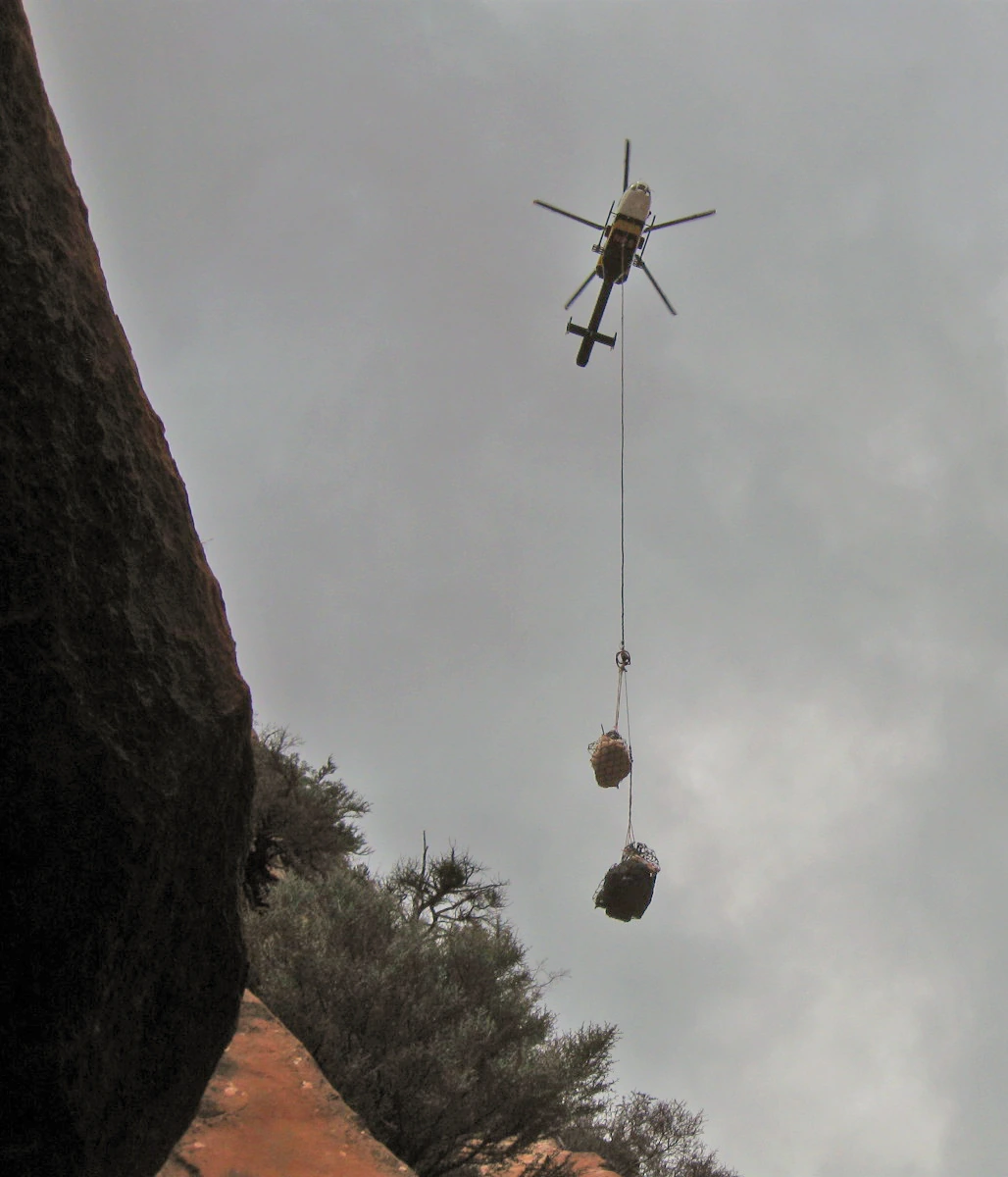
Beginning at noon on August 31, Stage 4 water restrictions took effect on the South Rim of Grand Canyon National Park. Flash flooding damaged the Transcanyon Waterline that crosses the canyon. Lodging facilities closed, and only dry camping—camping without electric or water hookups—was allowed. The North Kaibab Trail, Phantom Ranch, and the Silver and Black bridges were closed until further notice, and about 50 visitors near Phantom Ranch were evacuated from the canyon by helicopter.
Areas Affected
According to park officials, the damaged Transcanyon Waterline left the entire South Rim facing a water shortage. All overnight lodging reservations were either canceled or placed on hold, and both tent and RV camping were limited to dry camping without water or electric hookups. Day visits could continue, with food and beverage outlets, the Grand Canyon Clinic, and the post office operating normally. The full North Kaibab Trail, Phantom Ranch, and the Silver and Black bridges remained closed until further notice, while Xanterra was contacting Phantom Ranch reservation holders individually.
The park asked visitors and nearby residents to conserve water. Conditions within the canyon, trail closures, the day’s heat risk, and drinking-water availability continued to be updated through official park channels and should be checked again before departure.
What RV Travelers Need to Know
RV travelers planning to visit the South Rim should not expect electric or water hookups, even with a campground reservation. Bring ample drinking and household water, and confirm by phone or through the park website whether water will be available on-site. Plans involving the North Kaibab Trail and Phantom Ranch should be canceled entirely or shifted to other trails, such as the South Kaibab or Bright Angel trails.
Because repairs to infrastructure damaged by flash flooding can be subject to change, it is advisable to revisit the park’s alerts page a few days before traveling and check whether the water restrictions have been lifted. Campers inside the canyon should set up well away from dry washes and drainage channels and move to higher ground immediately if additional flash-flood warnings are issued.
Data Source: NPS API (developer.nps.gov)
Photo: NPS / Original photo. Public domain. Photo date: 2012-02-02 11:31. Resized and compressed for display.
