
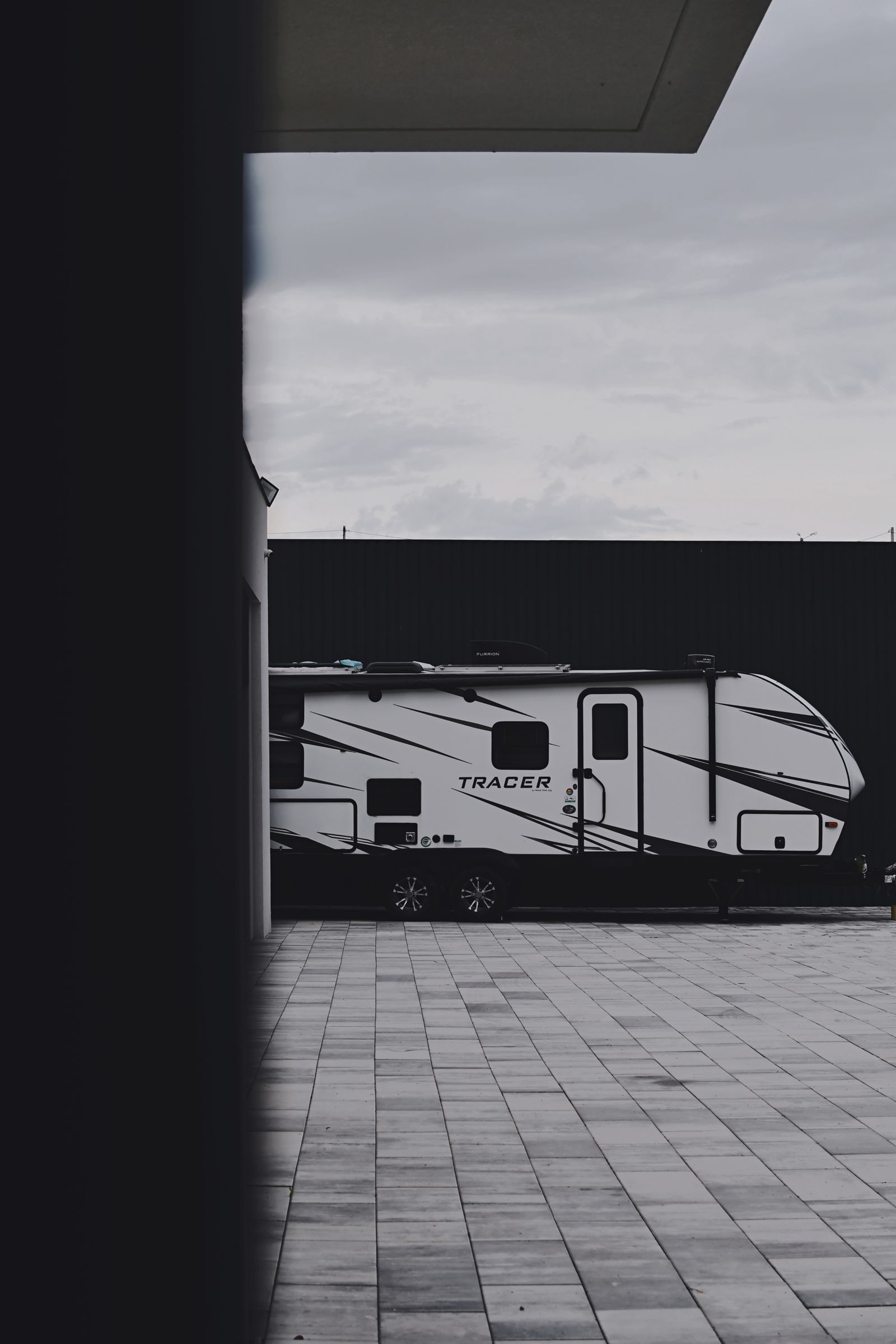
An RV slide-out can feel like magic, expanding the living area with the push of a button. Behind that convenience, however, is a demanding mechanism that depends on battery voltage, level positioning, lubrication, and seal condition all being right. Put off maintenance long enough, and a slide may one day stop halfway out—leaving the RV unable to travel.
Level First
Most slide-outs operate properly only when the RV is level. Some systems are designed so that the slide control will work only after the leveling jacks are fully deployed, and this requirement is especially strict for large or full-wall slides. It may be possible to force a slide in or out when the RV is slightly off-level, but doing so shortens motor life each time.
Battery condition is just as important. Because a slide motor draws substantial current for a brief period, voltage at the motor should remain at least 10.5 to 11 volts under load for normal operation. If the battery is discharged, converter power alone may not be enough; in that case, start the engine to supplement the voltage.
Inspect Visually Before Extending or Retracting
Before extending a slide, make sure nothing has fallen from shelves or tables. A pressurized can that gets crushed and bursts can create a difficult cleanup. Also check that no removable latch or travel lock remains in the slide’s path, and look outside the campsite for obstacles or tree branches. If possible, have one person watch from outside to make sure the slide moves freely, with a signal agreed upon in advance to stop immediately if there is a problem. Any unusual noise during operation is reason to stop at once.
Lubricate the Mechanism; Condition the Seals Separately
Slide-out drive systems generally fall into three types: rack-and-pinion systems, identified by two steel arms beneath the slide; Schwintek systems, with long zipper-like gears at each side; and the less common cable system. Rack-and-pinion and cable systems need their gears and cables treated three or four times a year with a silicone-based dry lubricant. Avoid general-purpose lubricants such as WD-40 and grease, which attract dirt and can make the problem worse. Schwintek systems are an exception. Manufacturers say their gears need no added lubrication, and that grease or oil can harm the system over time. For these systems, simply clean debris from the gears and seals with mild detergent and water.
Seals need maintenance that is entirely separate from the mechanical components. Because many rainwater leaks begin when seals crack or lift, both the inner and outer seals should be treated with a rubber-specific conditioner about every two months. It is also wise to get on the roof and inspect the upper seals above the slide topper with a flashlight. Many manufacturers commonly recommend against using silicone spray or petroleum-based products on seals.
Clear the Roof Before Retracting
Before retracting the slide, first remove leaves and dust that have collected on its roof. Retracting it with debris in place can pinch and tear the upper seal. In winter, snow can freeze in place and prevent the slide from moving at all, so it should be cleared before it accumulates. For storage, it is best to keep the slide fully retracted. Leaving it extended for long periods exposes the mechanism, seals, and interior of the slide room to the weather.
If a slide suddenly stops, check items in order: battery voltage first, then fuses and breakers, and, for a hydraulic system, the hydraulic fluid level with the slide fully retracted. Adjustments beyond those steps—such as cable tension or roller position—are safer to leave to a professional. The design can cause the opposite side to drop when one side is raised, and an incorrect adjustment can turn the issue into a larger problem than it was at first.
Photo: Darya Grey_Owl (pexels.com)