
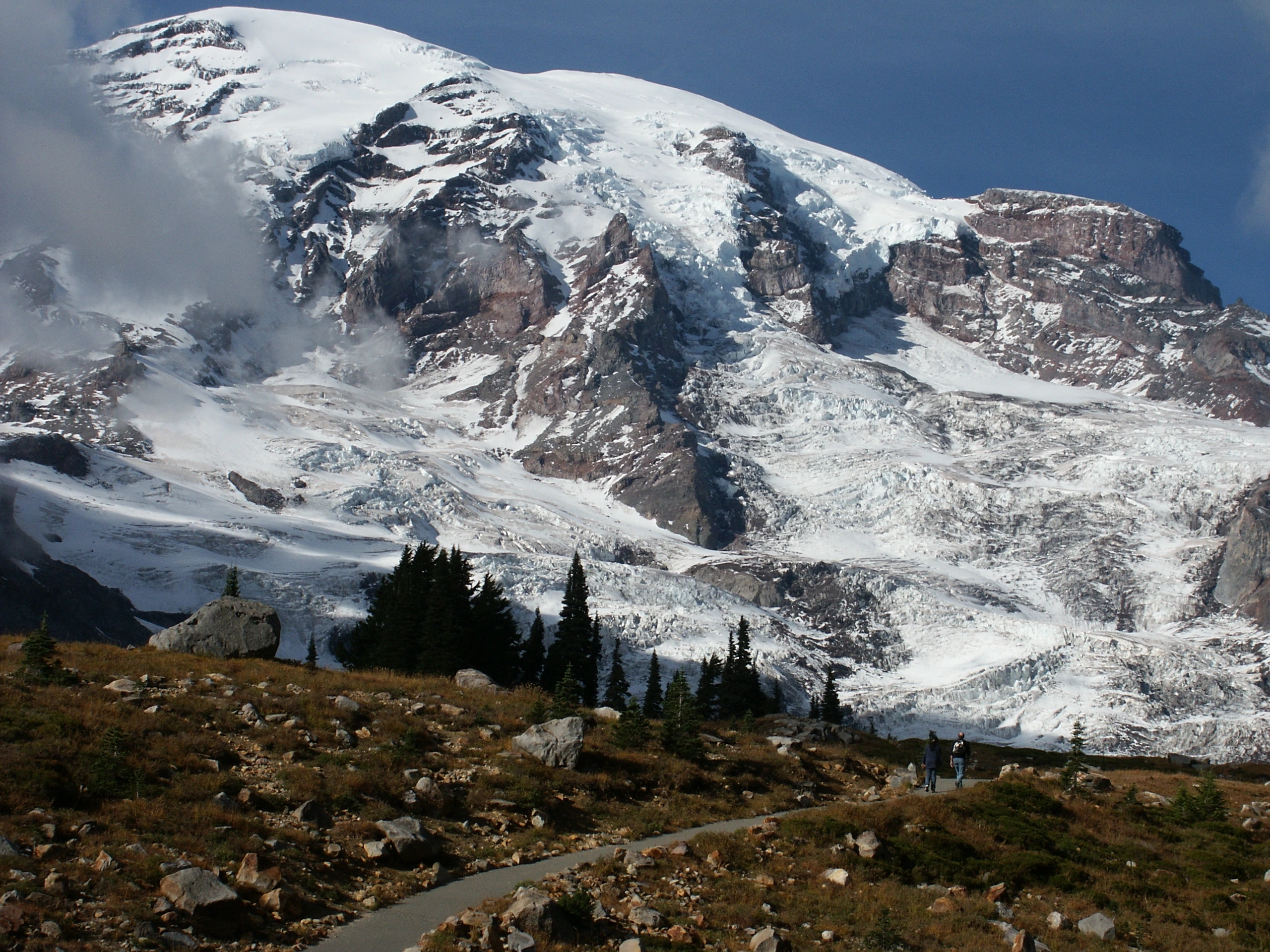
While central areas see heat indexes of 105–110°F, mountain regions face the opposite problem. According to the Weather Prediction Center’s (WPC) short-range forecast issued early September 5, a deep upper-level low moving into the inland Northwest will keep daytime highs across the West 10–20°F below normal through Labor Day weekend. In higher elevations, morning temperatures below 32°F are expected as far south as Northern California. For RV and tent campers who set out with summer gear, this is effectively a first rehearsal for winter.
Areas Affected
The WPC identifies the mountain areas of Washington, Oregon, Idaho, western Montana, and Northern California beneath the upper-level low as the core of the cold air. Scattered showers and thunderstorms are expected throughout the holiday weekend. Overnight frost and freezing conditions are possible at campgrounds in the Cascades, northern Sierra Nevada, and northern Rockies. Farther south, monsoonal moisture will move ahead of a slowly advancing front, concentrating showers and thunderstorms in the Great Basin on Sunday. Localized flooding is possible from southern Nevada into Utah.
Conditions differ across the northern Plains. As a low develops along the upper trough moving into the Pacific Northwest, strong thunderstorms are expected to recur across eastern Montana, the Dakotas, and the northern High Plains. The low is forecast to strengthen later in the holiday weekend, expanding thunderstorm coverage and increasing the accompanying rainfall. In the East, a low near the Canadian Maritimes will draw in cooler air, bringing New England morning temperatures into the 40s and 50s and the season’s first autumn-like feel during the latter part of the holiday weekend.
What RV Travelers Need to Know
Protecting the RV water system comes first. On nights when morning temperatures are expected to fall below 32°F, disconnect and drain exterior water hoses, then use the fresh-water tank instead. Turn on tank heater pads if equipped; otherwise, keep interior heat running at a low setting overnight to prevent freezing in underfloor areas where plumbing runs. Check propane levels before departure. A half-full tank left over from summer use may not last two days when the furnace is running.
Tent campers and pop-up camper users should check sleeping-bag temperature ratings and add insulation beneath their sleeping pads. High-elevation mountain roads can become slick with early-morning ice, so avoid crossing high passes with a trailer early in the day. Campers traveling through Montana and the Dakotas should remember that large RVs in open areas are vulnerable to wind gusts during repeated thunderstorms, and should retract slide-outs and awnings at night. If traveling through the Great Basin or southern Utah, avoid campsites in dry washes and downstream of burn scars on Sunday afternoon. Scattered rain and cooler temperatures may temporarily reduce fire danger, but fire restrictions from the Forest Service and BLM remain in effect until separate notices lift them.
Photo: NPS / Original photo. Public domain. Photo date: October 2004. Resized and compressed for display.