
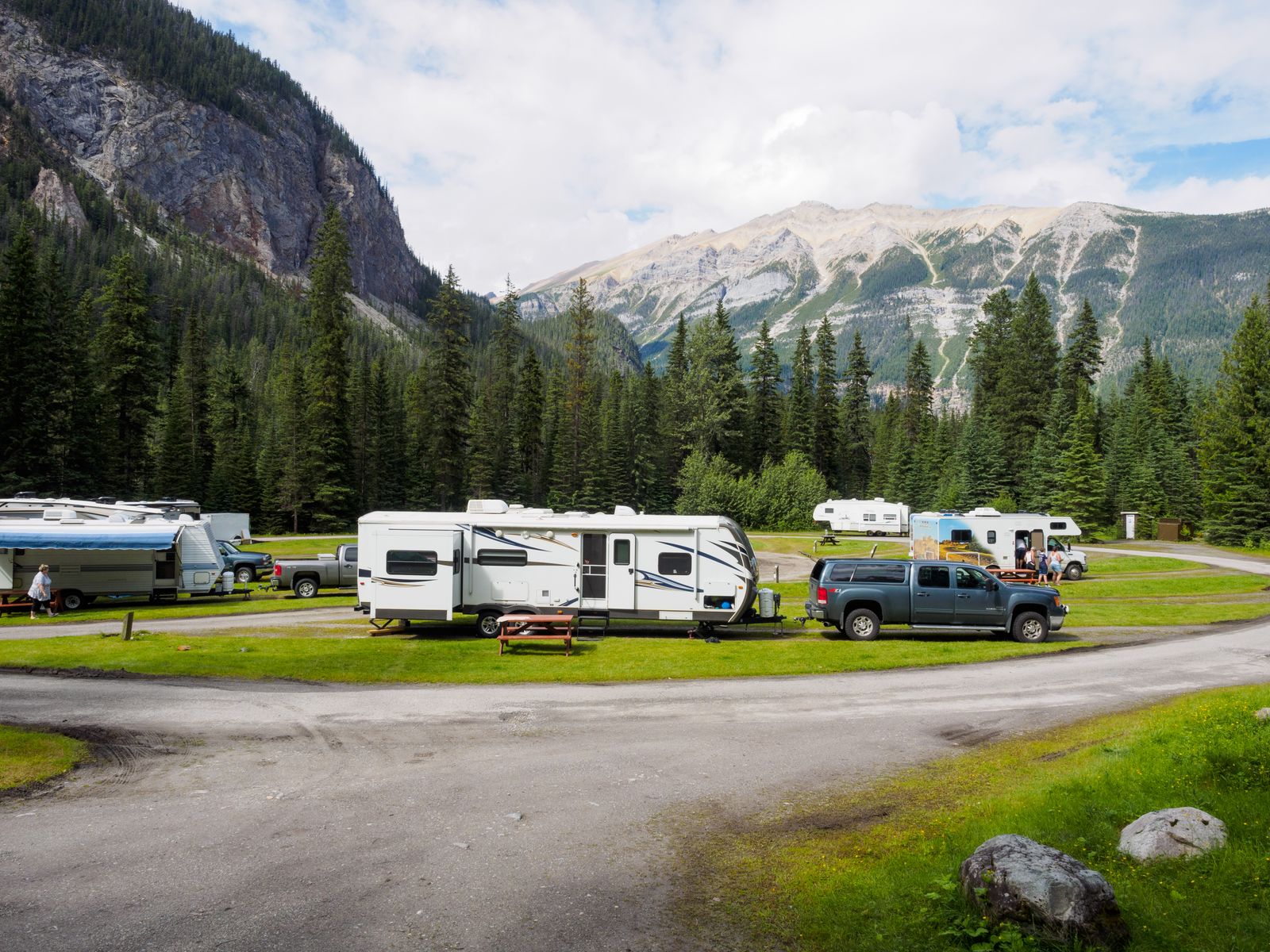
The moment a generator starts at a campground can shape the relationship with the neighboring tent or RV. At many national forest and national park campgrounds, the rules come down to two numbers: quiet hours generally run from 10 p.m. to 6 a.m., and generator noise must stay at or below 60 decibels from 50 feet away. The complication is that these numbers do not apply identically at every campground.
Different Schedules at Different Campgrounds
KOA campgrounds generally set 10 p.m. as the start of quiet hours. Some California State Parks, meanwhile, limit generator operation to 10 a.m. through 8 p.m., meaning generators may not be used at all in the early morning or later evening. National forest and national park campgrounds often designate 10 p.m. to 6 a.m. as quiet hours and allow generator use outside those hours only if noise remains at or below 60 decibels at 50 feet. Wherever you camp, make a habit of checking the schedule on the reservation confirmation or the posted notice at the entrance each time. Before getting upset because a neighbor is not following the rules, make sure you know the rules at the campground you are visiting.
Generator Types by Decibel Level
Not all generators produce the same amount of noise. Inverter generators generally run at 50 to 70 decibels, roughly comparable to conversation or refrigerator noise. Conventional generators, by contrast, can reach 80 to 100 decibels—comparable to a truck engine, a hair dryer, or, at the high end, a helicopter. Against a 60-decibel limit, inverter generators will generally qualify, while older conventional generators can easily exceed the limit depending on distance and sound insulation. It is easy to choose an RV generator based only on rated output, but campers concerned about relations with their neighbors should check the decibel rating as well.
The Real Output Needed for One Air Conditioner
Running a 13,500-BTU RV air conditioner with a generator requires more output than many people expect. It typically uses 1,300 to 1,600 watts while running, but its starting watts can briefly climb to 2,800 to 3,000 watts when it first turns on. Choosing a 2,000-watt generator based only on its rated output may seem fine during regular operation, but it can leave the generator unable to start the air conditioner when the time comes. To run the air conditioner without strain, you need at least a 3,000-watt generator, with additional capacity if you plan to use a refrigerator or microwave at the same time. That is why a generator specification sheet should be read with a distinction between running watts and starting/surge watts.
Safety Comes Before Noise
It is easy to focus on noise concerns with neighbors and overlook a more serious danger: carbon monoxide poisoning. If a generator’s exhaust is pointed toward an RV window, slide-out, or vent, odorless exhaust gases can enter the interior. Always place the generator well away from the RV and check that its exhaust is not directed toward a neighboring campsite or your own vehicle windows. A carbon monoxide alarm inside the RV is also essential. Placing a generator beneath a tent or canopy on a rainy day is dangerous as well, because exhaust gases can accumulate.
How to Be a Good Neighbor
The most common campground disputes over generator noise begin with the thought that everyone else is running one, too. But shutting the generator off before quiet hours begin and switching to batteries or auxiliary power, such as a power station, can prevent unnecessary friction. Simply placing the generator on the side of the site farther from neighboring campers, rather than deeper inside the site, can also reduce perceived noise. Adding a muffler or sound-insulating enclosure is another option, but the surest approach is to choose an inverter generator with proven quiet operation from the start. In the end, generator use is a matter of manners before it is a matter of performance.
If you are planning your next camping trip, start by checking permitted generator hours on the reservation site or in campground notices. Rules vary from campground to campground even within the same state, and national forest and private campgrounds each have their own standards. The small habit of observing generator on-and-off times helps keep the whole campground quiet at night.
Photo: IslandHopper X, https://www.pexels.com/photo/cars-with-trailers-at-a-campsite-in-mountains-17816414/