
A record-setting heat wave gripped much of the Southeast this week. Miami, Florida, reached 100°F on August 19, its hottest day in 84 years, while the heat index in Charleston, South Carolina, climbed to 109°F. More than 72 million people were under heat alerts, according to the National Weather Service.
Areas Affected
Extreme Heat Warnings expanded across coastal Georgia and South Carolina and into southeastern North Carolina. Oklahoma City reached 109°F for the first time since August 11—a notably unusual reading, as it was only the 22nd time on record that the city had reached that temperature. The Lower Mississippi Valley and the Southeast coast were forecast to remain at the highest of four heat-risk levels, Extreme, through August 21. Some relief was expected to begin in certain areas over the weekend as cooler air moved south from Canada. Oklahoma, northern Texas, and the Texas Gulf Coast, however, were expected to remain hot into the following week.
What RV Travelers Need to Know
With overnight lows remaining in the upper 70s°F, heat may not dissipate well at night in tents or fifth wheels with limited air conditioning. Avoid strenuous outdoor activity from noon to 6 p.m., and take frequent breaks in the shade or air-conditioned spaces. Children, older adults, and pets are particularly vulnerable to heat, so provide water and rest more often than usual. At the first signs of heat exhaustion—such as dizziness, intense thirst, or muscle cramps—move to a cooler place without delay.
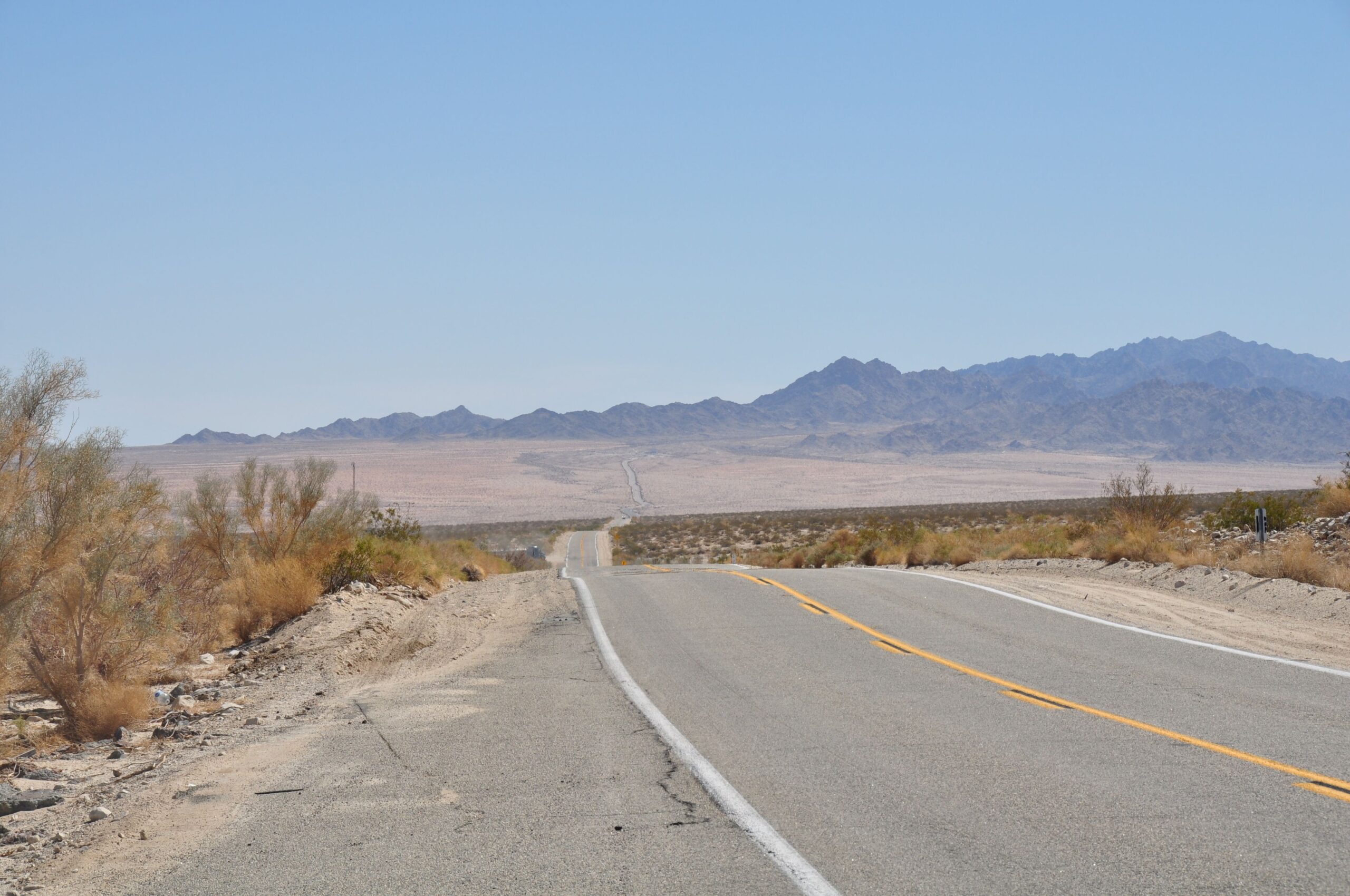
Photo: Tom Fournier, Pexels (pexels.com/photo/gray-concrete-road-near-brown-grass-field-13973966/)