
On a long journey, there is no knowing where or when your car may develop trouble. Carry essential equipment, parts and supplies for emergency repairs and safety. A basic tool kit and spare tire are only extra baggage if you do not know how to use them. Practice at least once before leaving.
Above all, have a repair shop inspect the battery, coolant, brake fluid, tires and overall condition before a long trip. Enrolling in an emergency assistance program such as AAA can provide help when needed.
Warning Triangles and Cones
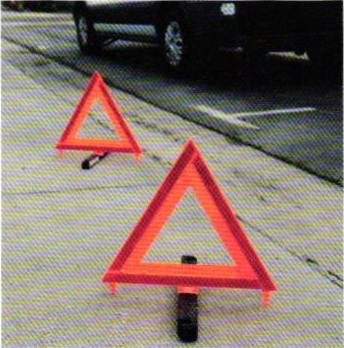
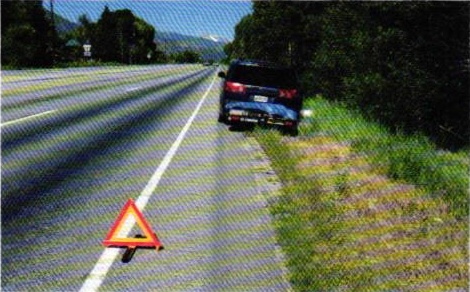
Warning triangles or triangular cones marking a disabled vehicle are essential. Whether at night or in broad daylight, if a breakdown leaves you stopped on a road or freeway, place at least two signs at intervals to warn approaching drivers and help prevent a collision.
On a highway or local road, first move a disabled vehicle onto the shoulder, as far right as possible to maintain a safe gap from passing traffic. A poorly positioned stop can lead to a serious collision with a passing truck.
Tire and Battery Supplies
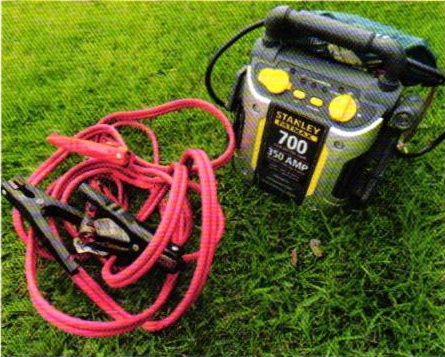
Check tires and the battery before departure. Carry a spare tire and emergency puncture sealant. After using sealant injected into a punctured tire, be sure to check the pressure later at a gas station.
Flashlights
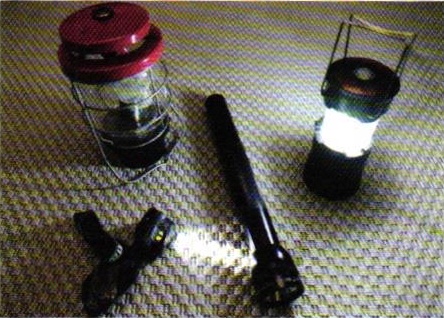
Headlamps have become more popular than handheld flashlights because they leave both hands free. Battery-powered and rechargeable models are available. A red-light option is useful for emergencies.
Other Items
Some recommend an empty water container in case low coolant causes overheating, but the basic step is to replenish or replace coolant and engine oil before departure. Spare fan belts, bulbs, fuses and duct tape may be useful, yet without basic repair knowledge they are merely extra baggage. At least learn how to change a tire before leaving. For early-spring or winter travel, add chains and a shovel.