Do We Really Need Reservations?
Hotels and Campgrounds
Booking hotels and campgrounds before departure can make a schedule easier to manage. On a trip of more than two weeks or a month, however, advance bookings can become a burden. Unavoidable delays happen, and keeping a reservation may tempt you to push too hard.
Outside school vacation season, booking hotels or popular campgrounds two or three days ahead, once the next destination is certain, can be effective. Online reservations have become essential at national and state park campgrounds. Popular places can sell out for the year early on.
National Parks and Recreation Attractions
Book online in advance. During school breaks, weekends and holidays, admission without a reservation can be extraordinarily difficult. Some places kindly offer a canceled vacancy when asked in person, but most are reluctant even if space exists.
Since the pandemic, reservations have also become necessary to enter nearly all national parks. Outside busy periods such as school breaks, reserving one or two weeks ahead is generally safer. Some places allow entry before 5 a.m. or after 5 p.m. without a reservation. The reservation site is www.recreation.gov. Recreation attractions may also limit attendance and require reservations. Check beforehand to avoid a wasted trip.
Showers and Laundry
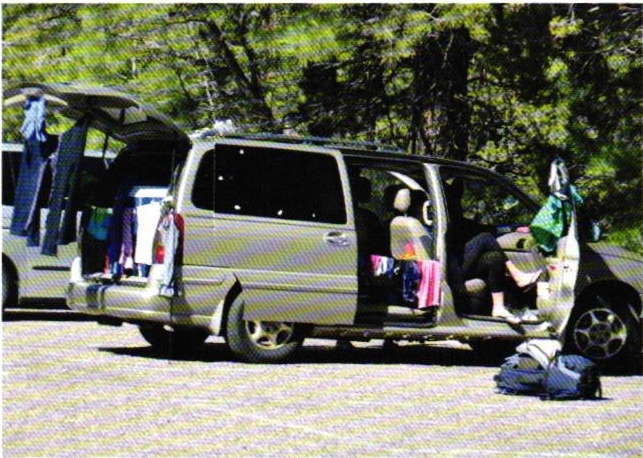
Most national parks or RV parks have coin-operated showers and laundry facilities. If none can be found, large truck stops beside freeways have paid showers and laundries used by long-haul drivers. In cities, an ordinary laundromat will do.
Preparing Meals
Eating out every time can become expensive or tiresome. For Korean meals, bring staples such as rice, kimchi, sauces and side dishes. Start with modest quantities of drinking water, snacks, favorite foods, beverages and alcohol, then replenish at town markets or Costco along the way.
Clothing
Needs vary by season, but long sleeves are essential even in midsummer. Bring a waterproof jacket and warm clothing such as a down parka, along with a swimsuit. Pack sneakers, sandals and hiking boots.
Medicines and Medical Care
Bring somewhat more of your regular medicines, such as blood-pressure or diabetes medication, than the itinerary requires; most pharmacies can help when you explain. Other supplies include indigestion and diarrhea remedies, burn treatment, fever and allergy medicines, sunscreen, aspirin and Tylenol. Travelers prone to stomach upset when changing water may choose to bring Jeongro-hwan. Patches, bandages and wraps can be useful for initial care after bruises or fractures.
If a hospital visit becomes necessary on the road, contacting your insurance agent is the most reliable way to resolve coverage questions.
Other Supplies
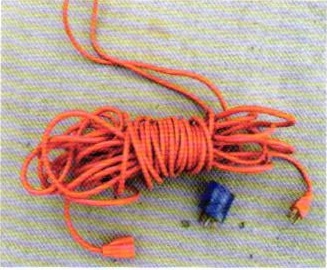
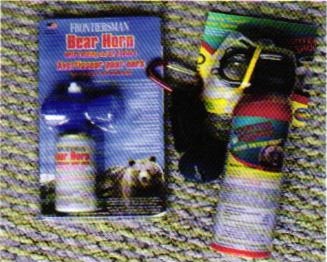
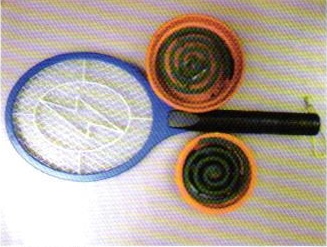
Mosquito nets and swatters, lanterns, flashlights, electric heating pads or blankets, extension cords, a radio, camera, navigation, maps and a national parks annual pass belong on the list. An electric mosquito swatter was my most useful item in Alaska. Hiking can bring encounters with bears or mountain lions, so bear spray and a loud bear horn are also needed.